This guide is general information for international patients, published by HOMMAGE Clinic. It describes how treatment in Korea typically works. Our own approach, doctors and prices are on the pages linked below.
Recently updated | Reviewed by: Korea Medical Tourism Editorial Team
Based on consultations with multiple clinics across Gangnam and Apgujeong, belly fat removal in Korea is one of the most requested procedures among international patients — and for good reason.
What surprises many first-time visitors is how systematized and patient-friendly the belly fat removal process is in Korea. Clinics routinely offer multilingual consultants, digital body analysis tools, and same-day consultation-to-treatment pathways that would be logistically impossible in most Western medical systems. The combination of advanced technology, highly trained plastic surgeons, and significantly lower costs compared to the US, UK, or Australia makes Korea a compelling destination for anyone seriously considering belly fat removal.
Korean clinics offer a comprehensive spectrum of belly fat removal treatments, ranging from completely non-invasive sessions to full surgical procedures under general anesthesia. Understanding the distinctions between these options is essential before booking a consultation.
Non-surgical belly fat removal options are extremely popular in Korea, particularly among patients who want visible results without downtime. The most common technologies used include cryolipolysis (fat freezing, often branded as CoolSculpting), HIFU (High-Intensity Focused Ultrasound), radiofrequency body contouring, and fat-dissolving injections such as Lipolysis or Kybella-equivalent formulas. These treatments are ideal for patients with stubborn but localized abdominal fat deposits and relatively good skin elasticity. Most non-invasive sessions take between 30 and 90 minutes, and patients can typically return to normal activities immediately afterward. Results develop gradually over 4 to 12 weeks depending on the method used.
Injection-based fat dissolution treatments are highly popular in Seoul for targeting the lower belly area specifically. These involve microinjections of phosphatidylcholine or deoxycholic acid compounds directly into the fat layer, causing gradual breakdown and absorption. A typical course requires 3 to 5 sessions spaced 3 to 4 weeks apart. Mild swelling and bruising are expected for 3 to 7 days post-treatment. This method bridges the gap between fully non-invasive and surgical approaches, offering more targeted results than surface-level devices.
For patients with a larger volume of belly fat or those seeking more dramatic and immediate results, surgical liposuction remains the gold standard. Korean clinics predominantly use VASER liposuction (ultrasound-assisted), laser liposuction (Smart Lipo), or tumescent liposuction techniques. These procedures are performed under local or general anesthesia and typically take 1.5 to 3 hours. Recovery involves 3 to 5 days of rest, compression garment use for 4 to 6 weeks, and a full return to exercise in approximately 4 to 6 weeks.
One of the primary motivators for international patients choosing belly fat removal in Korea is the significant cost advantage. Below is a realistic breakdown of what patients can expect to pay across different procedure types.
A single session of cryolipolysis targeting the abdominal area typically costs between ₩150,000 and ₩350,000 per applicator cycle (approximately $110–$260 USD). Most patients require 2 to 4 cycles for the full belly area. HIFU body treatments for the abdomen range from ₩300,000 to ₩700,000 per session ($220–$520 USD). Radiofrequency body contouring sessions fall within a similar range. Package deals offered by Gangnam clinics often reduce per-session costs by 20 to 35%.
A single injection lipolysis session targeting the belly area costs between ₩200,000 and ₩500,000 ($150–$370 USD). A full course of 4 sessions packaged together typically runs ₩600,000 to ₩1,500,000 ($450–$1,100 USD), depending on the clinic tier and product brand used.
Surgical belly liposuction in Korea is priced significantly below comparable procedures in the United States or United Kingdom. Abdominal liposuction at a reputable Gangnam clinic generally costs between ₩2,500,000 and ₩6,000,000 ($1,850–$4,450 USD). Premium VASER liposuction with 360-degree abdominal contouring can reach ₩8,000,000 to ₩12,000,000 ($5,900–$8,900 USD). By comparison, the same procedure in the US typically costs $6,000 to $15,000 USD before anesthesia and facility fees. These price advantages make Korea an exceptionally attractive destination for surgical belly fat removal.
Not all clinics are equal, and selecting the right provider is critical to safe, effective outcomes. When evaluating clinics for belly fat removal in Korea, patients should prioritize facilities where a licensed plastic surgeon — not a general practitioner — will perform or directly supervise all treatments. Before-and-after photo portfolios specific to abdominal procedures, not generic body images, should be reviewed carefully. Clinics that offer a complimentary body composition analysis or ultrasound assessment before treatment demonstrate a higher standard of individualized care. Multilingual staff and clear written consent forms in English are additional indicators of a patient-centered practice prepared for international visitors.
Based on our research across multiple Gangnam clinics, here are the most important practical points international patients overlook when planning belly fat removal in Korea.
Results from surgical liposuction are considered permanent in the treated area, as fat cells that are removed do not regenerate. However, remaining fat cells can enlarge with significant weight gain, so maintaining a stable weight post-procedure is essential. Non-invasive treatments like cryolipolysis also produce long-lasting results when paired with a healthy lifestyle, though they may require maintenance sessions over time.
Many international patients combine belly fat removal with other body contouring treatments such as thigh liposuction, arm fat reduction, or non-invasive skin tightening in a single trip. Combination procedures must be approved by your surgeon based on overall treatment volume and recovery considerations. Most clinics in Gangnam are experienced at planning multi-procedure itineraries for visiting patients.
For non-invasive belly fat reduction, there is no minimum stay requirement — treatment and return travel can occur on the same or next day. For surgical abdominal liposuction, most surgeons recommend staying in Korea for at least 5 to 7 days post-operation to attend a follow-up check, ensure wound integrity, and confirm there are no complications before a long-haul flight.
Most premium clinics in Gangnam and Apgujeong accept major international credit cards including Visa and Mastercard. A small number of clinics offer installment payment arrangements, but this typically requires a Korean bank account. Cash payment — in Korean won — often secures the best negotiated rate. Patients are advised to confirm payment options directly with their chosen clinic prior to arrival.
Medical Disclaimer: This article is for informational purposes only and does not constitute medical advice. Always consult a qualified healthcare professional before undergoing any medical procedure. Individual results and recovery times may vary. About This Guide: Researched and written by the editorial team at Fat Reduction Korea, a resource dedicated to helping international patients navigate Korea medical tourism with accurate, up-to-date information sourced from official Korean health authorities and direct clinic consultations.Other helpful resources:.
At HOMMAGE
 01
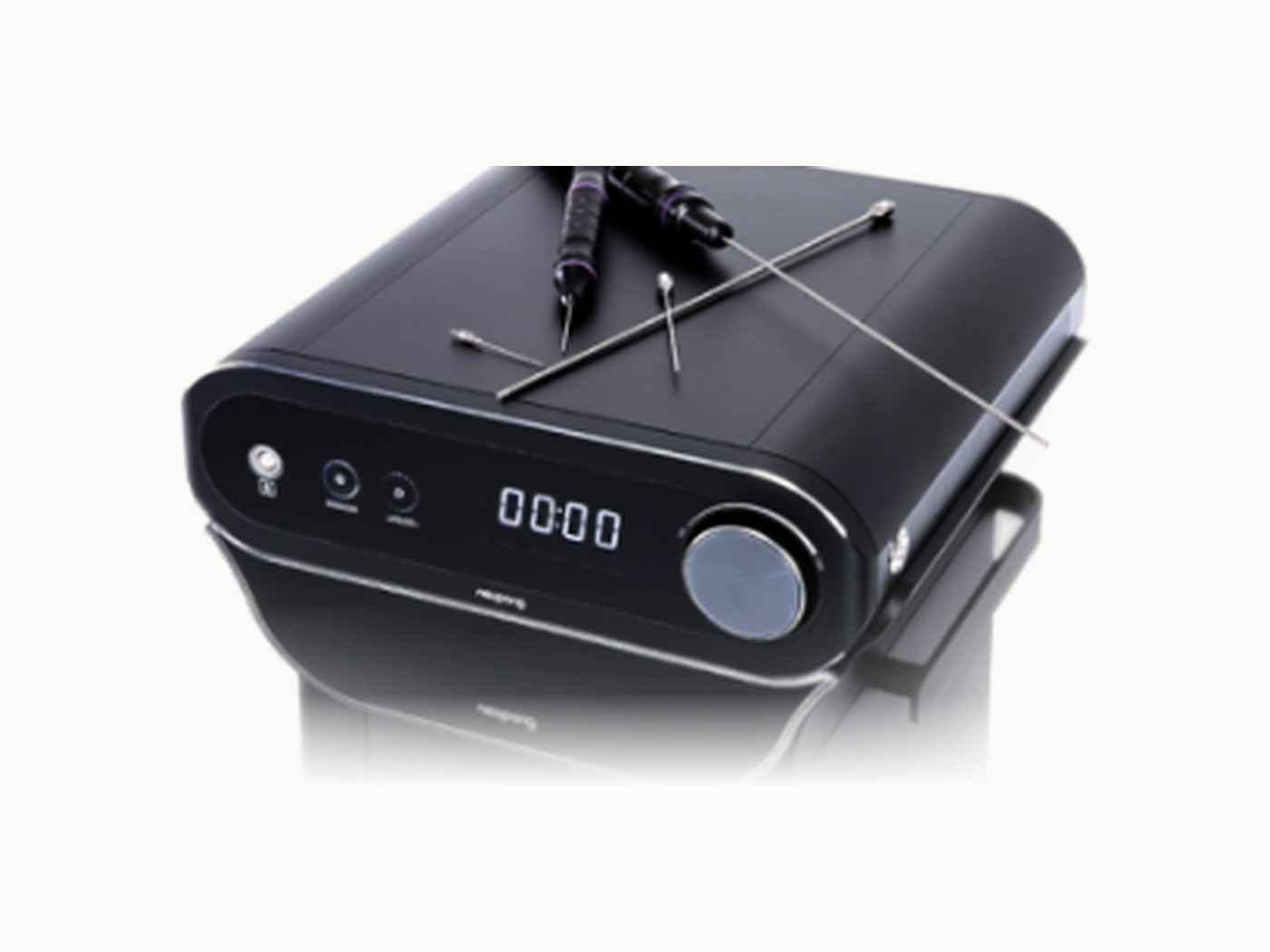
01LSSA suction with a 0.9 mm tip — fine-line contouring, not volume removal.
Read more →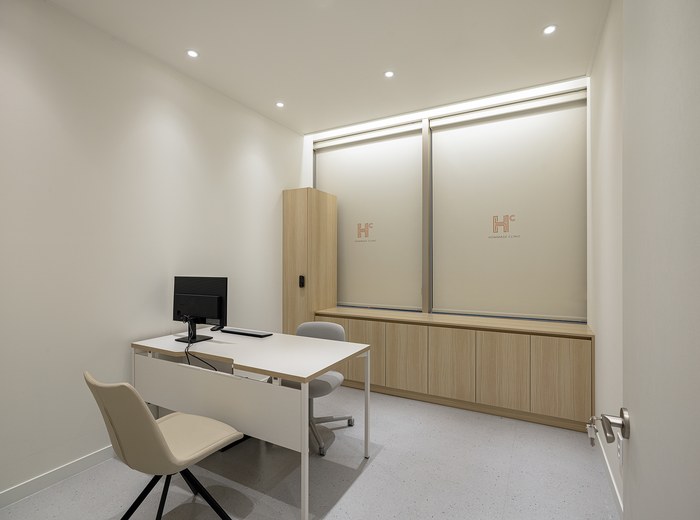 02
02Microwave energy that targets fat selectively and leaves the surface alone.
Read more →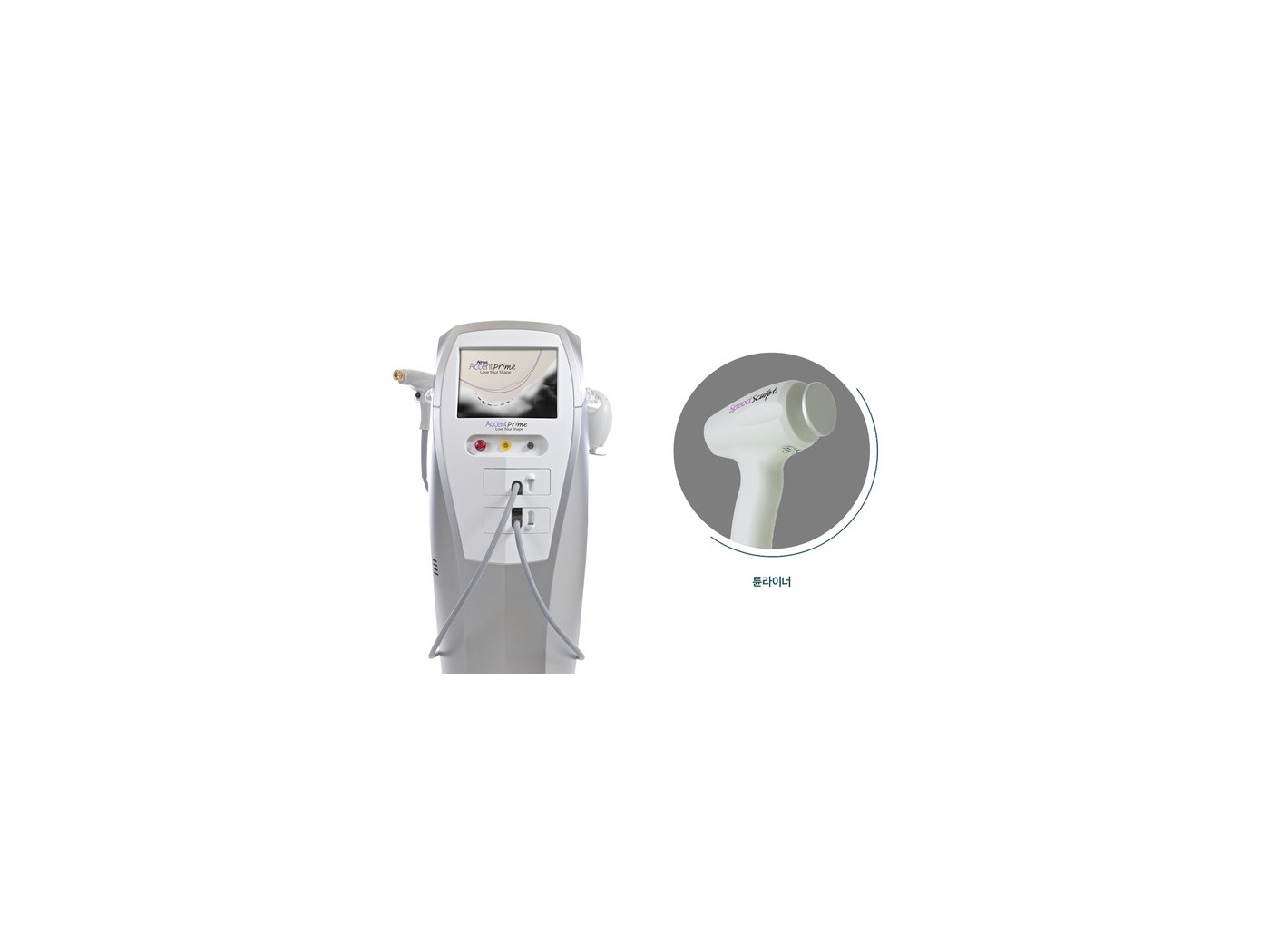 03
03Tune Body and InMode — radiofrequency contouring for abdomen, thighs, arms, flanks and back.
Read more →Every plan here starts with a one-to-one consultation, and nothing is scheduled on the day you first ask unless you want it to be. Message us on WhatsApp with what you want to change and how many days you have in Seoul.