This guide is general information for international patients, published by HOMMAGE Clinic. It describes how treatment in Korea typically works. Our own approach, doctors and prices are on the pages linked below.
Korea has established itself as a global leader in advanced fat reduction technologies, combining medical precision with aesthetic expertise. Seoul’s premium clinics in Gangnam and Apgujeong offer international patients access to cutting-edge non-surgical and surgical body contouring procedures at competitive prices, with outcomes backed by rigorous safety standards enforced by the Ministry of Health and Welfare (MOHW).
This guide provides actionable information for English-speaking patients considering fat reduction treatments in Korea, covering procedures, costs, clinic selection, and practical considerations for medical tourists.
Korean plastic surgery clinics invest heavily in FDA-approved and KFDA-certified technologies, often acquiring equipment years before it becomes standard elsewhere. The competitive medical tourism market drives continuous innovation, with Seoul’s Gangnam district alone hosting over 500 aesthetic clinics specializing in body contouring.
Korean surgeons affiliated with the Korean Association of Plastic Surgeons (KAPS) and Korean Academy of Medical Sciences (KAMS) undergo rigorous board certification. Many have trained internationally and publish research in peer-reviewed journals, contributing to evidence-based practice standards. PubMed-indexed studies confirm that high-intensity focused ultrasound (HIFU) and cryolipolysis demonstrate measurable fat layer reduction with minimal adverse events when performed by qualified practitioners. Discover
The cost advantage remains significant: liposuction procedures in Korea typically cost 40-60% less than equivalent treatments in the US, UK, or Australia, without compromising on technology or surgeon expertise. This price difference, combined with Korea’s medical tourism infrastructure, attracts over 30,000 international patients annually for body contouring procedures.
Korean clinics maintain detailed before-after documentation and utilize 3D body scanning for precise treatment planning, ensuring measurable outcomes that meet international patient expectations.
Traditional tumescent liposuction remains the gold standard for significant fat removal, but Korean clinics excel in advanced variations. Vaser liposuction uses ultrasonic energy to selectively break down fat cells while preserving surrounding tissues, reducing bruising and recovery time. Power-assisted liposuction (PAL) enables more precise fat extraction in fibrous areas.
Korean surgeons often combine multiple liposuction techniques in single sessions, addressing abdomen, flanks, thighs, and arms comprehensively. The typical cost ranges from $2,500-$5,500 depending on treatment areas, compared to $8,000-$15,000 in Western countries.
Cryolipolysis (fat freezing) targets stubborn pockets resistant to diet and exercise. Korean clinics use the latest applicator designs for improved contact and coverage. Treatment sessions last 35-60 minutes per area, with results visible within 8-12 weeks as the body metabolizes crystallized fat cells. Research published in PubMed demonstrates an average 20-25% fat layer reduction in treated areas.
High-Intensity Focused Ultrasound (HIFU) delivers targeted thermal energy to destroy fat cells at specific depths without damaging skin. Korean practitioners have refined protocols combining multiple frequency settings for customized treatments. Sessions cost $400-$900 per area.
Radiofrequency (RF) treatments like Vanquish and Exilis use controlled heating to reduce fat volume while tightening skin, particularly effective for post-weight loss patients or those seeking modest contouring without downtime.
Deoxycholic acid injections dissolve localized fat deposits, commonly used for double chins, jowls, and small areas. Korean clinics have developed precise injection techniques minimizing swelling and optimizing results. Treatment requires 2-4 sessions spaced 4-6 weeks apart, costing $300-$600 per session.
For patients requiring comprehensive reshaping after massive weight loss, Korean surgeons perform body lift procedures including abdominoplasty, thigh lifts, and arm lifts. These surgeries remove excess skin and remaining fat deposits, creating tighter contours. Combined procedures are common, with costs ranging from $6,000-$12,000, significantly lower than Western equivalents.
Clinic selection directly impacts safety and outcomes. Prioritize facilities accredited by the Joint Commission International (JCI) or certified by MOHW for international patient care. These accreditations verify adherence to international safety protocols and hygiene standards.
Verify surgeon credentials through the Korean Medical Association database. Board certification by the Korean Board of Plastic Surgery requires completion of 6+ years specialized training beyond medical school. Look for surgeons with active memberships in KAPS or the International Society of Aesthetic Plastic Surgery (ISAPS).
Gangnam and Apgujeong clinics catering to international patients provide English-speaking coordinators, detailed consultation processes, and transparent pricing without hidden fees. Request before-after portfolios showing patients with similar body types and treatment goals.
Consultation depth matters: reputable surgeons spend 30-45 minutes assessing medical history, current health status, realistic expectations, and contraindications. They should explain technique selection rationale, expected results, potential complications, and recovery protocols in clear English.
Check online reviews on independent platforms, but recognize that Korean privacy laws limit patient testimonial sharing. International patient forums and medical tourism agencies often provide more candid feedback.
Initial consultations increasingly occur via video call, allowing surgeons to assess candidacy before travel. Patients submit medical records, current medications, and treatment area photographs. Clinics provide detailed quotations covering procedure fees, anesthesia, facility costs, post-operative garments, and follow-up appointments.
Pre-operative requirements typically include blood tests, ECG for surgical procedures, and medication adjustments. Patients should discontinue blood thinners, certain supplements, and smoking 2-4 weeks pre-treatment.
Surgical liposuction procedures last 1-3 hours under general anesthesia or sedation. Korean anesthesiologists maintain conservative protocols prioritizing patient safety. Non-surgical treatments require no anesthesia, with most patients experiencing only mild discomfort.
Post-procedure monitoring occurs in recovery rooms with English-speaking nursing staff. Same-day discharge is standard for non-surgical treatments, while liposuction patients typically stay overnight for observation.
Liposuction recovery involves wearing compression garments 23 hours daily for 4-6 weeks, managing swelling with prescribed medications, and avoiding strenuous activity for 3-4 weeks. Korean clinics provide detailed aftercare instructions in English and schedule follow-up appointments to monitor healing.
Non-surgical treatments involve minimal downtime, with most patients resuming normal activities immediately. Temporary redness, swelling, or numbness resolves within days to weeks.
International patients should plan 7-10 days in Korea for surgical procedures to allow initial recovery and suture removal. Non-surgical treatments require only 1-3 days. Many clinics coordinate with recovery hotels offering specialized post-procedure care.
Liposuction results become visible as swelling subsides over 4-6 weeks, with final contours apparent at 3-6 months. Non-surgical fat reduction shows gradual improvement over 8-12 weeks as the body processes destroyed fat cells. Maintaining stable weight through diet and exercise preserves long-term results.
Korean fat reduction pricing offers exceptional value without compromising quality:
These prices include surgeon fees, facility costs, anesthesia, and initial follow-ups. Additional expenses include flights ($800-$2,000), accommodation ($50-$150 daily), medical tourism agency fees if used (10-15% of procedure cost), and compression garments ($80-$150).
Despite travel costs, total expenditure remains 30-50% below domestic pricing in most Western countries. Many international patients combine fat reduction with complementary procedures like skin tightening treatments, leveraging the single recovery period.
Payment typically requires 50% deposit upon booking, with the balance due before treatment. Korean clinics accept international wire transfers, credit cards (with 3-4% processing fees), and sometimes cryptocurrency.
Request the surgeon’s Korean Medical License number and verify through the Korean Medical Association website. Confirm board certification in plastic surgery and check membership in KAPS or KAMS. Reputable clinics provide this information transparently.
Non-surgical methods reduce fat by 20-25% per treatment area, suitable for modest contouring. Liposuction removes larger volumes immediately and provides more dramatic reshaping. Your surgeon will recommend based on your goals and body composition.
At HOMMAGE
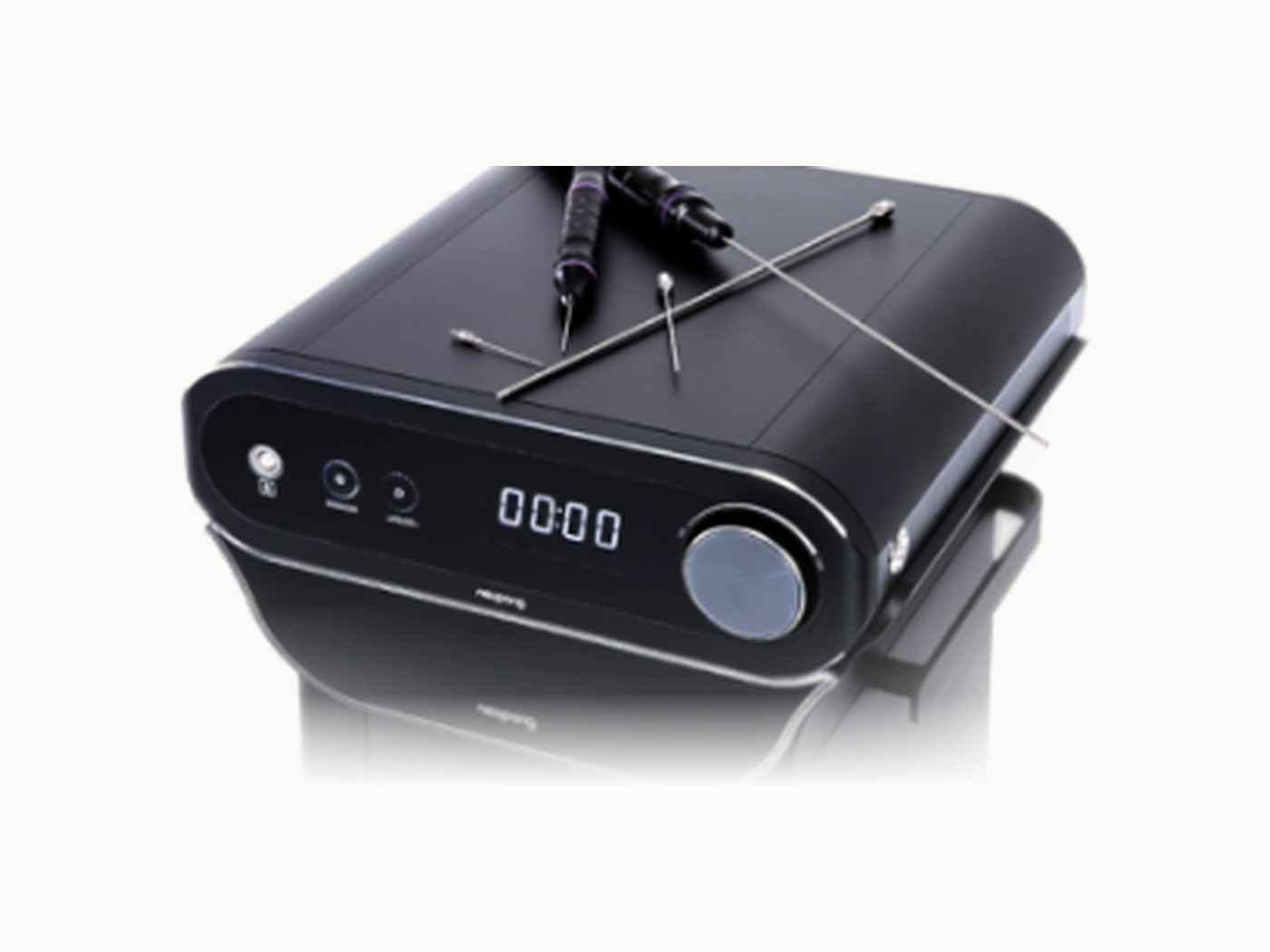 01
01LSSA suction with a 0.9 mm tip — fine-line contouring, not volume removal.
Read more → 02
02Microwave energy that targets fat selectively and leaves the surface alone.
Read more →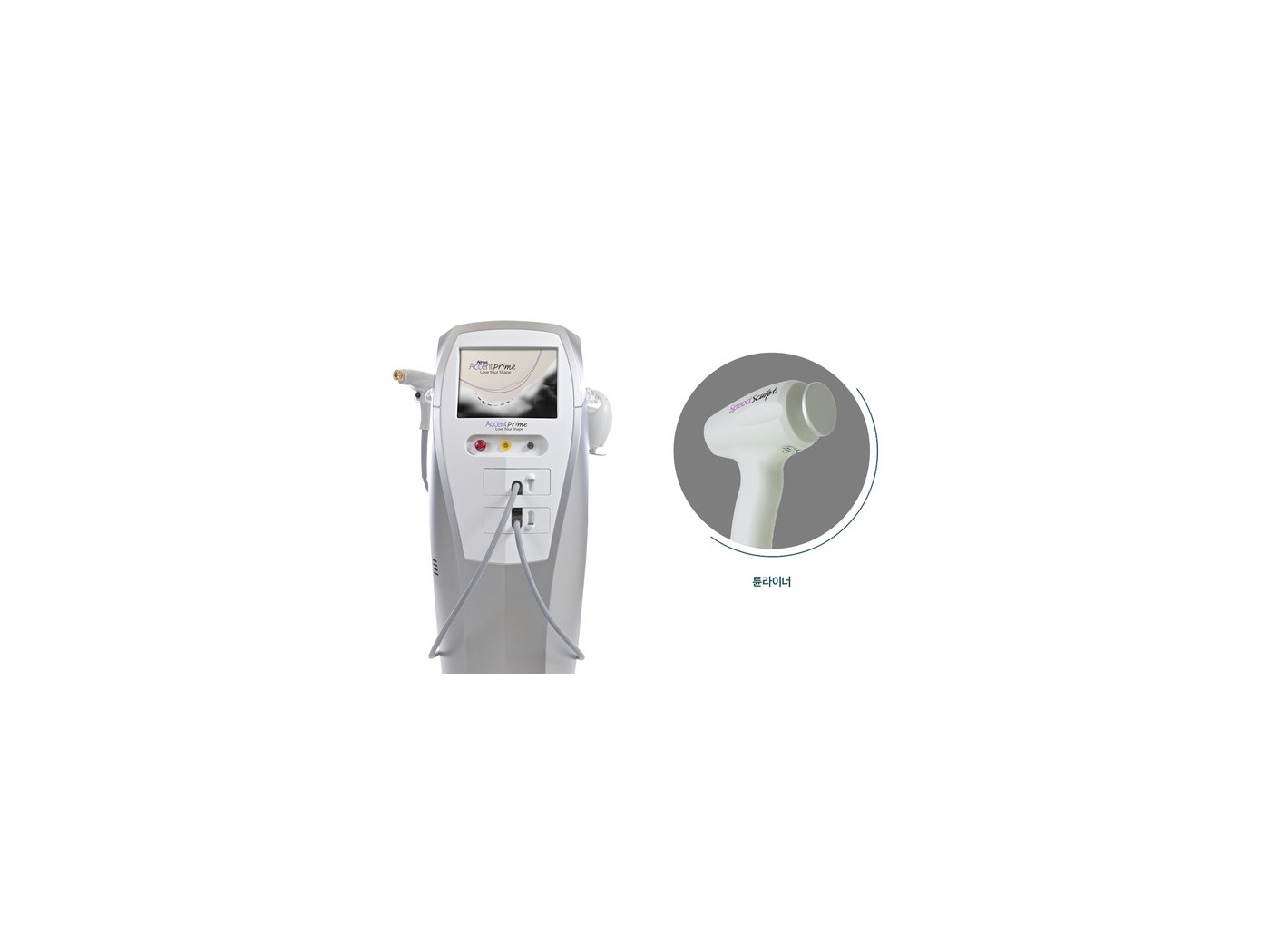 03
03Tune Body and InMode — radiofrequency contouring for abdomen, thighs, arms, flanks and back.
Read more →Every plan here starts with a one-to-one consultation, and nothing is scheduled on the day you first ask unless you want it to be. Message us on WhatsApp with what you want to change and how many days you have in Seoul.