This guide is general information for international patients, published by HOMMAGE Clinic. It describes how treatment in Korea typically works. Our own approach, doctors and prices are on the pages linked below.
Editorially Reviewed: Korea Medical Tourism Desk | Patient Focus: International Medical Travelers
International patients arriving in Seoul often report being surprised by how affordable and technologically advanced fat reduction options are compared to their home countries. Korea has become one of the world’s most sought-after destinations for non-surgical and surgical body contouring, with clinics concentrated in Gangnam and Sinchon offering everything from cryolipolysis to high-definition liposuction.
What makes Korea particularly attractive is the combination of highly trained practitioners, competitive pricing, and access to devices that are often newer than those available in Western markets. Patients from the United States, Australia, Southeast Asia, and the Middle East frequently find that the total cost of travel plus treatment in Seoul still comes out lower than paying domestic prices at home. Understanding exactly what you will pay — and what variables influence the final bill — is essential before booking your first consultation.
Korea offers a wider spectrum of fat reduction modalities than most countries, and pricing reflects the method, area of the body, number of sessions, and clinic tier. Below is a practical breakdown of the most commonly requested treatments by international patients.
Non-surgical options are the most popular entry point for medical tourists because they require no general anesthesia, minimal downtime, and can often be scheduled across a short visit. CoolSculpting (cryolipolysis) typically costs between ₩200,000 and ₩600,000 per applicator cycle (approximately USD 150–450), with most patients requiring two to four cycles per treatment area. High-Intensity Focused Ultrasound (HIFU) fat reduction and radiofrequency-based body contouring treatments such as Exilis Ultra or Velashape are priced in the ₩300,000 to ₩800,000 range (roughly USD 220–600) per session. Fat dissolving injections — including lipolysis cocktails and branded options like Kybella equivalents — run approximately ₩150,000 to ₩400,000 per session (about USD 110–300), with multiple sessions typically recommended.
Liposuction in Korea remains significantly more affordable than in the United States or Europe. Standard tumescent liposuction for a single area such as the abdomen or thighs is priced between ₩1,500,000 and ₩4,000,000 (approximately USD 1,100–3,000). High-definition liposuction — which sculpts visible muscle definition — ranges from ₩3,000,000 to ₩8,000,000 (about USD 2,200–6,000) depending on complexity and the number of zones treated. Combined procedures, such as liposuction paired with a Brazilian Butt Lift or abdominoplasty, can range between ₩5,000,000 and ₩15,000,000 (roughly USD 3,700–11,200).
Seoul clinics are early adopters of newer energy-based devices. Treatments such as EMSCULPT NEO (which combines muscle stimulation with radiofrequency fat destruction), truSculpt iD, and injectable mesotherapy blends are widely available. EMSCULPT NEO sessions in Gangnam typically cost ₩400,000 to ₩900,000 per session (USD 300–670), while package deals of four to six sessions often reduce the per-session cost by 20–30%. Clinics offering these technologies are generally mid-to-premium tier, and their pricing reflects the cost of device certification and ongoing consumable fees.
Several variables will directly impact what you pay. Understanding them helps you compare quotes accurately and avoid misunderstandings during your clinic consultation.
Every additional body zone — inner thighs, flanks, arms, submental area — adds to the base cost. Clinics that offer package pricing for multiple areas can represent better value than paying per-area individually. Always ask whether a package discount applies if you are treating three or more zones in one session.
Many Korean clinics bundle consultation fees, compression garment costs, and at least one follow-up appointment into the treatment price. Others invoice these separately. Clarifying what is and is not included in the quoted price is one of the most important steps in cost planning. Translation services and hospital coordination fees — if you use a medical tourism agency — can add ₩100,000 to ₩300,000 (USD 75–225) to the total.
In Korea, surgical fat removal must be performed by a licensed plastic surgeon. However, non-surgical device treatments can legally be operated by trained medical staff under physician supervision. Treatments directly supervised or performed by the attending physician may carry a slightly higher surcharge, but many international patients consider this worth the added assurance. For more specialized information on Seoul-specific clinic options, the Fat Reduction Gangnam guide offers detailed clinic-by-clinic insights across the district.
Planning your fat reduction visit to Korea requires more than just picking a procedure. Here are the most important practical considerations based on firsthand research across Seoul clinics.
Based on research across multiple Gangnam clinics, the optimal visit length for a non-surgical fat reduction package is three to five days: one day for consultation and assessment, one or two days for treatment, and one or two days for initial observation before flying. Direct consultations revealed that for surgical procedures such as liposuction, clinics strongly recommend staying in Seoul for a minimum of seven to ten days to allow for swelling monitoring and suture checks. Practitioners commonly report that patients who undergo multiple areas of liposuction in a single session experience the best cost-per-area value, but also require the most post-operative support — confirm that your chosen clinic has an English-speaking nurse or patient coordinator available during your recovery. Seoul medical district observations show that clinics offering formal aftercare packages — including lymphatic drainage massage, compression garments, and follow-up laser treatments — are increasingly the preference of international patients over those that simply perform the procedure and discharge.
Costs vary significantly by procedure type and clinic tier. Non-surgical options such as CoolSculpting start from around ₩200,000 (USD 150) per applicator, while surgical liposuction for one area begins at approximately ₩1,500,000 (USD 1,100). Multi-area packages and combination procedures cost more but often offer better per-area value. Always request an itemized quote that clarifies what is and is not included.
The majority of clinics in Gangnam and major Seoul medical districts have at least one English-speaking coordinator or offer translation support. Premium clinics catering to international patients frequently provide multilingual staff fluent in English, Chinese, Japanese, and Arabic. Confirming language support before booking is highly recommended, especially for surgical consultations where precise communication about goals and risks is essential.
Recovery depends heavily on the procedure. Non-surgical treatments such as CoolSculpting, HIFU, or fat dissolving injections typically involve no downtime, with mild redness or swelling resolving within 24–72 hours. Tumescent liposuction requires one to two weeks of limited activity, with full swelling resolution taking four to eight weeks. High-definition liposuction may require up to three months for final results to become visible.
In most cases, yes. CoolSculpting in the United States can cost USD 600–1,200 per cycle; the same treatment in Seoul ranges from USD 150–450. Liposuction for a single area averages USD 3,500–6,000 in the United States compared to USD 1,100–3,000 in Korea. Even when factoring in international flights and accommodation, total costs for multi-area treatment trips often remain competitive.
Fat cells destroyed through procedures like cryolipolysis or liposuction do not regenerate. However, remaining fat cells in other areas of the body can still expand with weight gain. Surgical liposuction offers the most definitive fat cell removal from targeted areas. Maintaining results long-term requires consistent diet and exercise. Clinics typically provide post-treatment lifestyle guidance during follow-up consultations. Related options include
For the abdominal area, both surgical liposuction and non-surgical options are commonly performed. CoolSculpting is popular for patients with mild-to-moderate fat deposits and no desire for surgery. For more dramatic reshaping, tumescent or high-definition liposuction delivers more visible results. EMSCULPT NEO is increasingly recommended for patients who also want to improve muscle tone simultaneously.
Important Notice: The content on this page is intended for general educational use. Personal medical decisions should be made only after consultation with a licensed physician. Outcomes and suitability differ by individual. About the Authors: The editorial team at fatreductionkorea.com produces patient-focused guides for international medical travelers, combining direct clinic research with official Korean health resources.Related resources from our network:.
At HOMMAGE
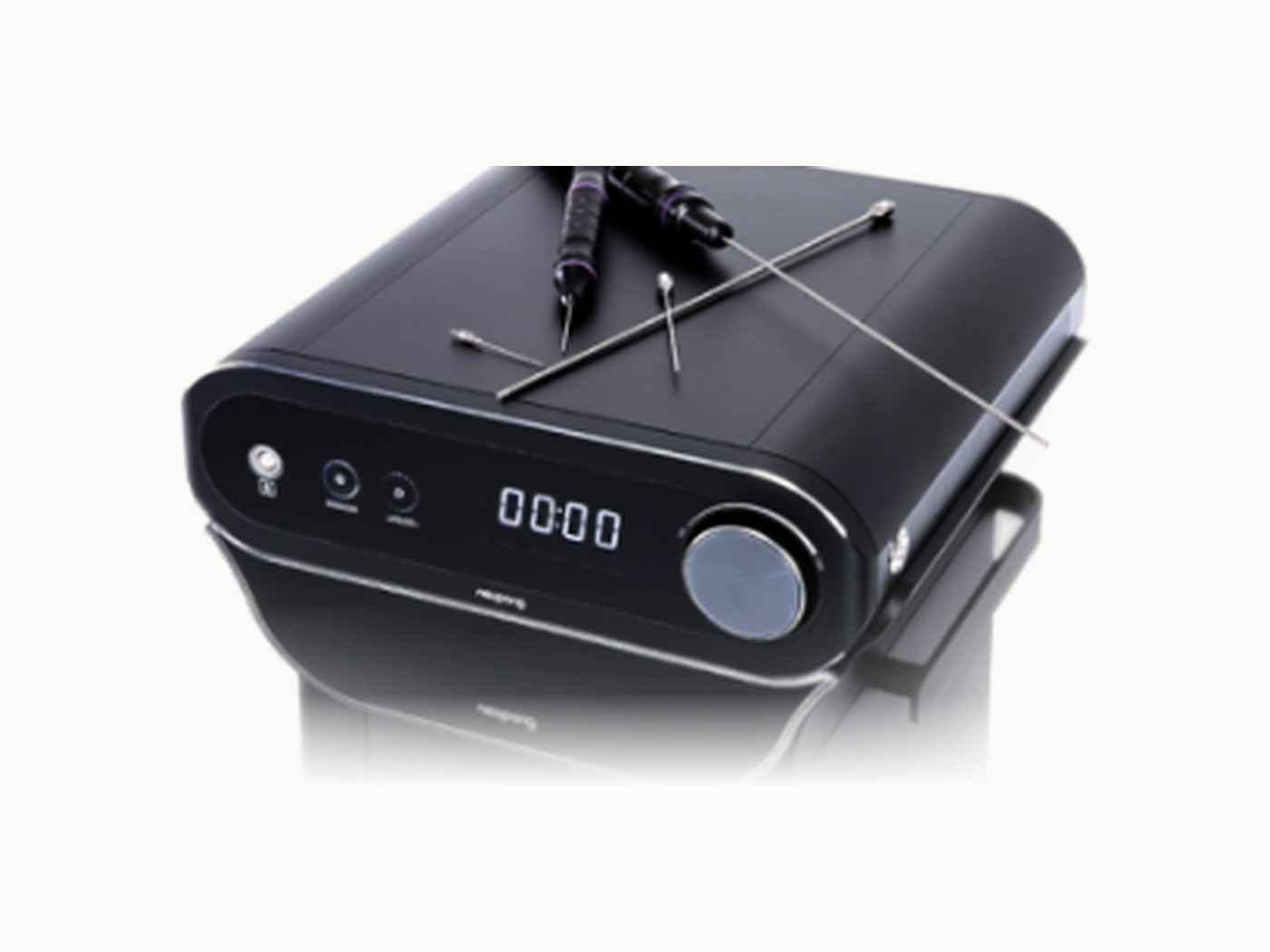 01
01LSSA suction with a 0.9 mm tip — fine-line contouring, not volume removal.
Read more → 02
02Microwave energy that targets fat selectively and leaves the surface alone.
Read more →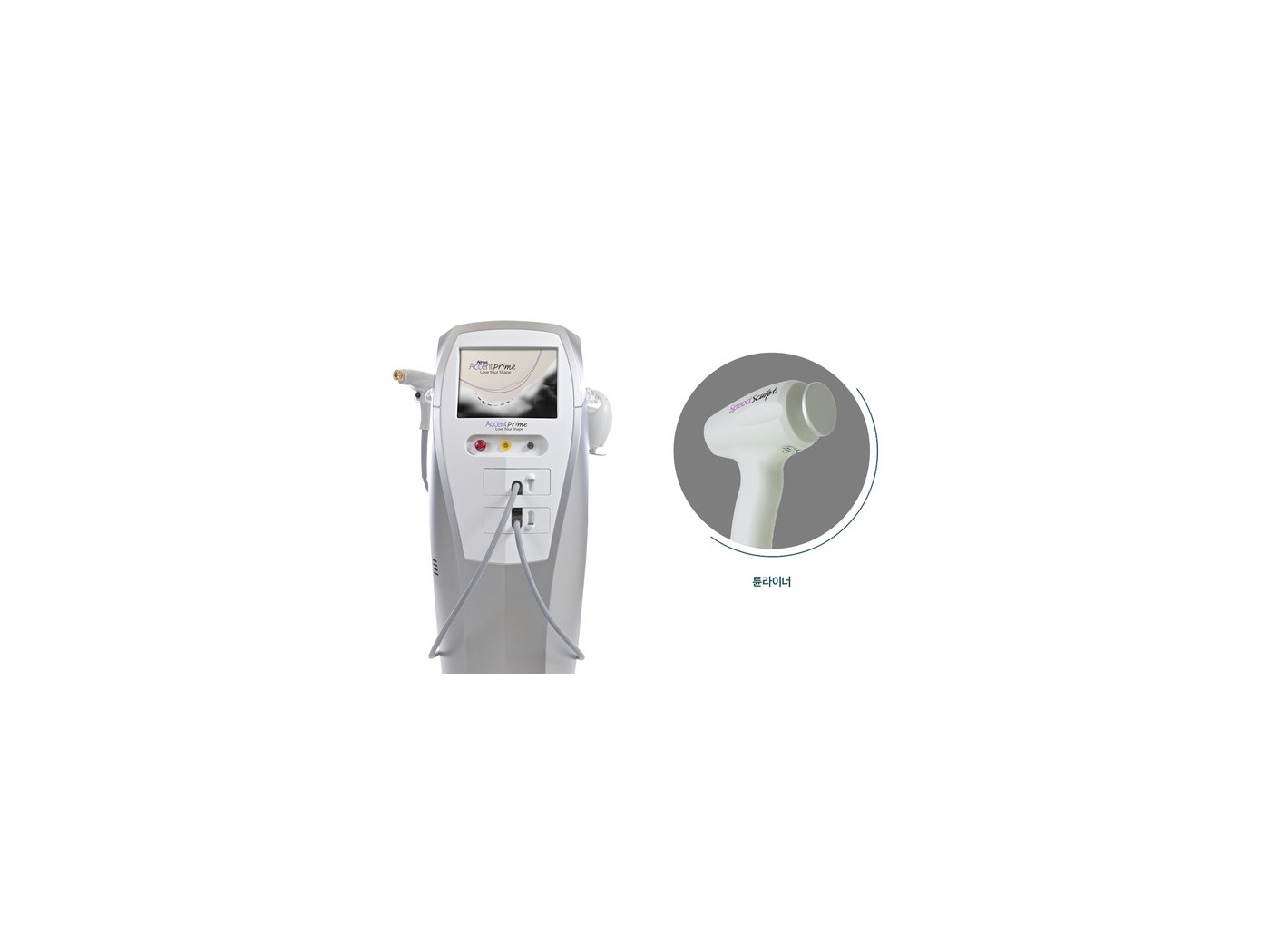 03
03Tune Body and InMode — radiofrequency contouring for abdomen, thighs, arms, flanks and back.
Read more →Every plan here starts with a one-to-one consultation, and nothing is scheduled on the day you first ask unless you want it to be. Message us on WhatsApp with what you want to change and how many days you have in Seoul.