This guide is general information for international patients, published by HOMMAGE Clinic. It describes how treatment in Korea typically works. Our own approach, doctors and prices are on the pages linked below.
When international patients search for fat reduction results Korea hospital experiences, they’re often looking for honest, data-backed information before committing to travel and treatment. South Korea has earned its global reputation in aesthetic medicine through decades of technological investment, rigorous medical training, and a patient-first culture that consistently delivers measurable outcomes.
According to the Korean Society of Aesthetic Plastic Surgery, the country performs over 980,000 cosmetic procedures annually, with body contouring and fat reduction representing a rapidly growing segment driven largely by medical tourism demand.
This multi-technology approach is a key differentiator. Rather than offering a one-size-fits-all solution, Korean hospitals conduct thorough body composition analysis and customize treatment plans to each patient’s fat distribution, skin laxity, and personal goals.
Cryolipolysis, commercially known as CoolSculpting, remains one of the most popular non-invasive fat reduction treatments offered at Korean hospitals. Clinical studies published in the Aesthetic Surgery Journal confirm an average fat layer reduction of 20–25% per treated area after a single session. Most patients undergoing this treatment at Korean clinics report visible contouring improvements within 8–12 weeks, with optimal results appearing at the 3-month mark.
At Korean hospitals, a single cryolipolysis session targeting one area (such as the abdomen or flanks) typically costs between ₩150,000–₩350,000 (approximately $110–$260 USD). A comprehensive multi-area package may range from ₩800,000–₩2,000,000 ($590–$1,480 USD), which is significantly more affordable than equivalent treatments in the United States or Europe.
High-Intensity Focused Ultrasound (HIFU) for body contouring targets deeper fat deposits and simultaneously stimulates collagen production for skin tightening. Korean hospitals using devices like Liposonix and Doublo report patient satisfaction rates exceeding 85% in internal follow-up surveys. Results typically become visible within 2–3 months and continue improving for up to 6 months post-treatment.
HIFU body sessions in Korea are priced between ₩300,000–₩700,000 ($220–$520 USD) per area, making multi-session programs accessible for international patients working within a medical tourism budget.
Radiofrequency-based treatments use controlled heat to disrupt and reduce fat cells while improving skin texture. Korean dermatology hospitals have refined RF protocols to deliver an average of 24% fat reduction in clinical measurements after a full treatment course. Patients typically need 3–4 sessions spaced 4–6 weeks apart. Combined RF packages run between ₩1,200,000–₩3,500,000 ($890–$2,600 USD) for complete body areas.
For patients seeking more dramatic and faster fat reduction results, Korean hospital surgical suites offer advanced liposuction techniques including tumescent liposuction, VASER (ultrasound-assisted), and power-assisted liposuction.
Most non-invasive fat reduction treatments involve zero downtime, allowing international patients to explore Seoul immediately after their appointment. During the first four weeks, some patients notice mild swelling reduction and early contouring changes, though significant visual results are not yet apparent. Surgical patients will focus on recovery during this phase, with compression garments worn as directed by their Korean medical team.
This is the phase most patients consider the “reveal” period. The body naturally processes destroyed fat cells through the lymphatic system, and contouring improvements become clearly visible. Korean hospitals typically schedule a follow-up assessment at the 8-week mark to document photographic progress and evaluate whether additional sessions are recommended.
Optimal results from non-invasive procedures are fully realized between the 4th and 6th month. Korean hospitals provide patients with detailed maintenance protocols including dietary guidance, lymphatic drainage massage recommendations, and home-care device suggestions to preserve and extend results long after returning home.
One of the most frequently cited advantages of seeking fat reduction results at a Korea hospital is the exceptional level of international patient support. Most major clinics in Gangnam and Apgujeong districts offer:
According to Korea Tourism Organization data, medical tourism to South Korea grew by 38% between 2021 and 2024, with aesthetic and body contouring treatments accounting for the second-largest category of procedures sought by foreign visitors after facial aesthetics.
Achieving the best possible fat reduction results at a Korean hospital requires honest pre-treatment assessment and realistic expectations. Key factors that influence outcomes include starting BMI and body fat percentage, the specific area(s) being treated, the technology protocol selected by your physician, patient compliance with post-treatment care, and lifestyle factors such as nutrition and physical activity maintained after treatment.
Korean doctors are known for their candid consultations. Rather than overselling results, experienced practitioners will advise patients on which treatment modality best suits their anatomy and goals, sometimes recommending a combination approach for optimal fat reduction and skin tightening outcomes.
For more insights on fat reduction treatments in Korea, explore these helpful resources: Fat Reduction Before and After Korea: Real Patient Results, Fat Reduction Korea Cost: Complete Pricing Guide, and Best Fat Reduction Treatments in Korea Explained.
Non-invasive treatments such as cryolipolysis and HIFU typically show visible results within 8–12 weeks, with final outcomes apparent at the 3–6 month mark. Surgical liposuction results are visible sooner, usually within 4–6 weeks once post-operative swelling subsides.
The fat cells destroyed during treatments like cryolipolysis and HIFU do not regenerate. However, maintaining results long-term requires stable body weight. Significant weight gain after treatment can cause remaining fat cells to expand, affecting your results.
Non-invasive fat reduction treatments in Korea typically cost 40–60% less than comparable procedures in the United States. A multi-area cryolipolysis program priced at $3,000–$5,000 in the US may cost as little as ₩800,000–₩2,000,000 ($590–$1,480 USD) in Seoul.
No. Most major aesthetic hospitals and clinics in Seoul’s Gangnam district have dedicated international patient coordinators fluent in English, Chinese, and other languages. Many clinics also offer pre-treatment virtual consultations conducted entirely in English.
This depends on the treatment type and your individual goals. Cryolipolysis often delivers noticeable results after a single session per area, while RF-based treatments typically require 3–4 sessions. Your Korean physician will outline a personalized treatment plan during your initial consultation, including the recommended number of sessions for your specific anatomy.
You may also be interested in:
At HOMMAGE
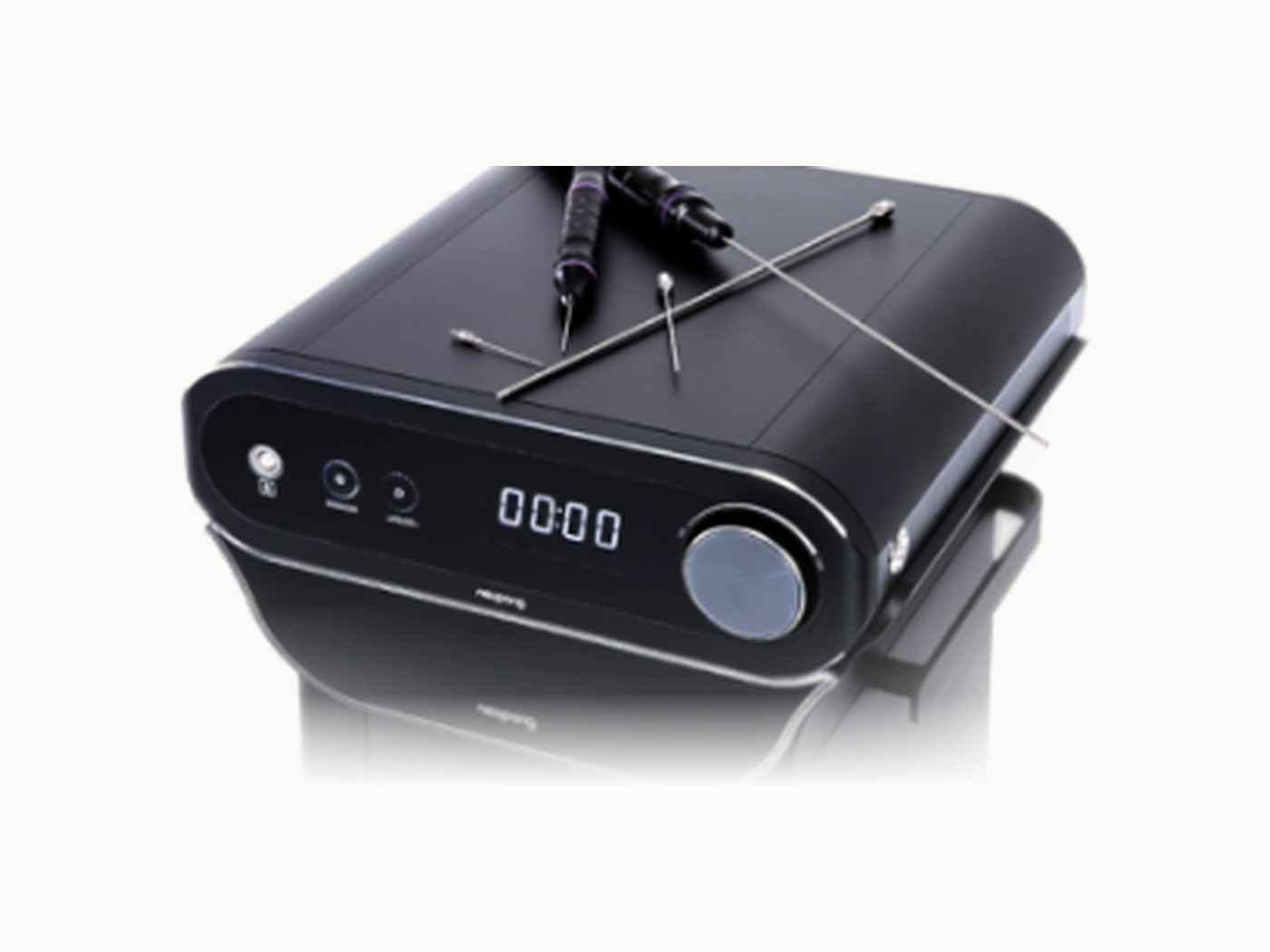 01
01LSSA suction with a 0.9 mm tip — fine-line contouring, not volume removal.
Read more → 02
02Microwave energy that targets fat selectively and leaves the surface alone.
Read more →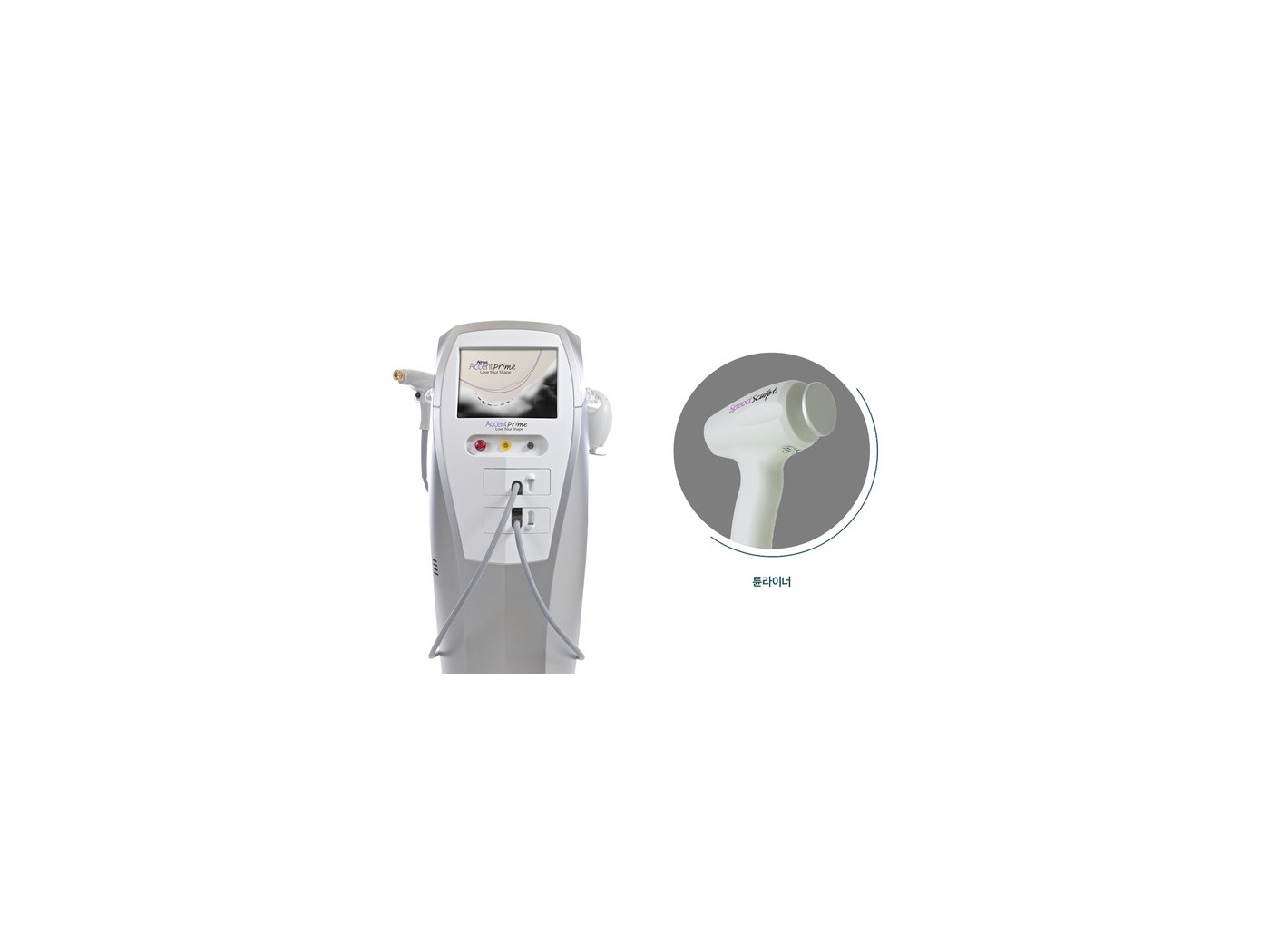 03
03Tune Body and InMode — radiofrequency contouring for abdomen, thighs, arms, flanks and back.
Read more →Every plan here starts with a one-to-one consultation, and nothing is scheduled on the day you first ask unless you want it to be. Message us on WhatsApp with what you want to change and how many days you have in Seoul.