This guide is general information for international patients, published by HOMMAGE Clinic. It describes how treatment in Korea typically works. Our own approach, doctors and prices are on the pages linked below.
This comprehensive guide covers everything you need to know about fat reduction procedures in Seoul, from treatment options and costs to clinic selection and recovery protocols, helping you make an informed decision for your body contouring journey.
Seoul’s position as a medical tourism hub stems from several concrete advantages that make it attractive for international patients seeking fat reduction treatments. The city performs over 300,000 cosmetic procedures annually, with body contouring representing a significant portion of these interventions.
Korean plastic surgeons undergo rigorous training requiring a minimum of six years post-medical school, including residency in plastic surgery and board certification examinations. This expertise is coupled with Korea’s rapid adoption of cutting-edge technology—Seoul clinics often acquire the latest FDA-approved devices months before they become widely available in Western markets.
Cost efficiency represents another compelling factor. Fat reduction procedures in Seoul typically cost 40-60% less than equivalent treatments in the United States or United Kingdom, while maintaining comparable or superior quality standards. A comprehensive liposuction procedure that might cost $8,000-12,000 in the US averages $4,000-6,000 in Seoul, with no compromise on safety protocols or post-operative care.
The concentration of specialized clinics in districts like Gangnam and Apgujeong creates a competitive environment that drives innovation and service quality. These areas house over 500 aesthetic clinics within a few square kilometers, many exclusively focused on body contouring procedures. This specialization means surgeons perform higher volumes of specific procedures, translating to refined techniques and better outcomes.
Seoul’s medical infrastructure supports international patients with dedicated coordinators, English-speaking staff, and streamlined processes for overseas visitors. Most reputable clinics provide comprehensive packages including consultations, procedures, post-operative care, and follow-up telemedicine appointments.
Non-surgical fat reduction has evolved significantly, offering effective alternatives to invasive procedures with minimal downtime. Seoul clinics provide access to the most advanced non-invasive technologies, often combining multiple modalities for enhanced results.
Cryolipolysis works by freezing and destroying fat cells through controlled cooling, with crystallized fat cells naturally eliminated by the body over 2-3 months. Research published in Plastic and Reconstructive Surgery demonstrates average fat layer reduction of 20-25% per treatment session. Seoul clinics utilize the latest CoolSculpting Elite systems with dual applicators, reducing treatment time by half compared to older models.
Treatment sessions last 35-60 minutes per area, with no downtime required. Patients typically need 1-2 sessions per target area, spaced 6-8 weeks apart. Ideal candidates have pinchable fat deposits resistant to diet and exercise. Common treatment areas include abdomen, flanks, thighs, back fat, and under chin. Results become visible at 3 weeks and maximize at 2-3 months post-treatment.
Cost in Seoul ranges from $300-600 per applicator cycle, significantly lower than the $750-1,500 charged in Western markets. Package deals for multiple areas offer additional savings of 20-30%.
HIFU technology delivers focused ultrasound energy to target fat cells at specific depths without affecting surrounding tissue. The thermal effect destroys fat cell membranes while simultaneously tightening collagen structures for improved skin laxity. Korean manufacturers like Classys and Hironic have developed proprietary HIFU devices specifically optimized for body contouring.
Sessions last 30-90 minutes depending on treatment area. Most patients achieve optimal results with 2-3 sessions spaced 4-6 weeks apart. HIFU proves particularly effective for smaller fat deposits and areas requiring simultaneous skin tightening, such as arms, abdomen, and thighs. Studies in Aesthetic Surgery Journal report average circumference reductions of 2-4 cm after a complete treatment protocol.
Seoul clinics charge $400-800 per session for HIFU body treatments, with full protocols ranging $1,200-2,000.
Radiofrequency (RF) devices like Vanquish and truSculpt deliver electromagnetic energy to heat and destroy fat cells while stimulating collagen production. These treatments require no direct skin contact and cover larger areas efficiently. Laser lipolysis systems such as SculpSure use hyperthermic laser energy achieving similar effects through different mechanisms.
Treatment courses typically involve 3-4 sessions spaced 2-4 weeks apart, with each session lasting 25-45 minutes. These technologies excel for treating larger surface areas like the entire abdomen or circumferential thigh reduction. Published data in Lasers in Surgery and Medicine indicates average fat reduction of 10-15% per treatment area with proper protocols.
RF and laser treatments in Seoul cost $300-700 per session, with package pricing available for multiple sessions or combined treatment areas.
Injectable fat-dissolving treatments using deoxycholic acid (Kybella in the US, marketed under various names in Korea) have gained popularity for small, localized fat deposits. The substance breaks down fat cell membranes, with destroyed cells permanently eliminated through metabolic processes. Treatment is FDA-approved specifically for submental fat (double chin) but used off-label for other small areas.
Typical protocols require 2-6 treatment sessions spaced 4-6 weeks apart. Each session involves multiple small injections across the treatment area, taking 15-30 minutes. Mild swelling and bruising persist for 3-7 days post-treatment. Seoul clinics often utilize Korean-developed formulations with similar active ingredients at more accessible price points of $200-400 per session compared to $600-1,200 in Western markets.
Surgical interventions remain the gold standard for significant fat removal and body reshaping, offering more dramatic and predictable results than non-surgical alternatives. Seoul’s plastic surgeons have refined these techniques through high procedure volumes and continuous innovation.
Traditional suction-assisted liposuction (SAL) has evolved into multiple specialized techniques, each with specific advantages. Tumescent liposuction involves infiltrating treatment areas with fluid containing lidocaine and epinephrine, minimizing blood loss and post-operative pain. This remains the foundation technique Korean surgeons build upon.
Power-assisted liposuction (PAL) uses mechanically vibrating cannulas to break up fat more efficiently, reducing surgeon fatigue and allowing more precise contouring. Seoul surgeons frequently employ PAL for fibrous areas like the back, male chest, and revision cases.
Ultrasound-assisted liposuction (UAL) including VASER technology liquefies fat using ultrasonic energy before removal, enabling smoother results and better skin retraction. This proves particularly valuable for treating dense, fibrous fat deposits and performing high-definition lipocontouring. Korean plastic surgeons have pioneered combining VASER with traditional techniques for optimal outcomes.
Laser-assisted liposuction (LAL) such as SmartLipo delivers laser energy through thin cannulas to melt fat and promote skin tightening. While effective for smaller areas, most Seoul surgeons prefer VASER for larger volume procedures due to efficiency considerations.
A comprehensive liposuction procedure in Seoul typically costs $3,000-7,000 depending on the number of areas treated, technique employed, and surgeon experience. This includes anesthesia, facility fees, compression garments, and initial follow-up visits. Comparable procedures in the US range $6,000-15,000.
High-definition liposculpture represents an advanced technique that not only removes fat but sculpts remaining fat and tissue to highlight underlying musculature. This creates athletic, toned appearances by accentuating natural anatomy. The procedure requires exceptional surgical skill and artistic sensibility to achieve natural-looking results.
Korean surgeons have developed particular expertise in high-definition techniques suited to Asian body types, understanding ethnic variations in fat distribution and aesthetic preferences. The procedure typically combines VASER liposuction for fat removal with strategic fat grafting to enhance muscle definition. Common treatment areas include abdominal six-pack definition, oblique and serratus highlighting, arm definition, and back contouring.
Treatment duration ranges 3-5 hours under general anesthesia. Recovery requires 1-2 weeks before returning to desk work and 4-6 weeks before resuming intensive exercise. Results continue improving for 3-6 months as swelling resolves and skin retracts. High-definition procedures in Seoul cost $5,000-9,000, approximately 50% less than US pricing of $10,000-18,000.
Fat grafting procedures harvest fat via liposuction from donor areas and purify it before strategically injecting into target areas for volume enhancement and contouring. The Brazilian Butt Lift specifically augments buttock volume and shape using autologous fat, creating natural-looking enhancement without implants.
Seoul surgeons have adapted BBL techniques for international patients while developing variations that suit different aesthetic preferences. The procedure removes unwanted fat from areas like abdomen, flanks, and thighs while enhancing buttock projection and roundness. Survival rates of transferred fat average 60-70% with proper technique, meaning surgeons slightly overcorrect to account for partial resorption.
BBL requires 2-3 hours under general anesthesia. Patients must avoid sitting directly on buttocks for 2-3 weeks post-operatively, using specialized pillows when necessary. Return to work typically occurs at 2 weeks, with full recovery at 6-8 weeks. Seoul pricing ranges $5,000-8,000 compared to $8,000-15,000 in Western markets.
Fat grafting extends beyond buttock enhancement to facial rejuvenation, breast augmentation, hand rejuvenation, and body contour irregularity correction. The dual benefit of removing fat from problematic areas while enhancing deficient areas makes this an efficient approach to body contouring.
Abdominoplasty surgically removes excess skin and fat from the abdomen while tightening weakened or separated abdominal muscles. This proves essential for patients with significant skin laxity from pregnancy, major weight loss, or aging—conditions where liposuction alone would create unsatisfactory results with loose, hanging skin.
Korean surgeons perform various abdominoplasty techniques including full abdominoplasty (hip-to-hip incision), mini abdominoplasty (smaller incision for lower abdomen only), extended abdominoplasty (includes flanks and lower back), and circumferential abdominoplasty (addresses entire torso circumference). Selection depends on individual anatomy and aesthetic goals.
Modern techniques minimize scarring through low incision placement (hidden by underwear), meticulous closure methods, and progressive tension sutures that eliminate the need for drains. Surgery takes 2-4 hours under general anesthesia. Hospital stay of 1-2 nights is standard for monitoring and pain management. Recovery requires 2-3 weeks before returning to light work and 6-8 weeks before unrestricted activity.
Abdominoplasty in Seoul costs $5,000-9,000 depending on procedure extent, compared to $9,000-18,000 in the US. Many patients combine abdominoplasty with liposuction of flanks and back for comprehensive torso contouring, with combined procedures offering cost savings over separate treatments.
Choosing an appropriate clinic and surgeon represents the most critical decision in your fat reduction journey. Seoul’s concentration of aesthetic facilities requires careful evaluation to identify providers meeting international safety and quality standards.
Verify your surgeon holds board certification from the Korean Board of Plastic Surgery, requiring completion of six years of specialized training and rigorous examinations. For body contouring specifically, look for surgeons with dedicated focus on these procedures rather than general cosmetic practitioners.
International fellowship training at recognized institutions adds valuable perspective and exposure to global best practices. Many top Seoul surgeons have completed additional training in the US, Europe, or other Asian centers of excellence. Membership in international organizations like ISAPS (International Society of Aesthetic Plastic Surgery) demonstrates commitment to continuing education and adherence to global standards.
Facilities should maintain accreditation from the Korean Ministry of Health and Welfare, ensuring compliance with safety regulations for surgical equipment, sterilization protocols, and emergency preparedness. Clinics catering to international patients often pursue additional accreditations like JCI (Joint Commission International) or similar international healthcare quality certifications.
Inquire about surgeon experience with your specific procedure. A surgeon performing 200+ liposuction procedures annually demonstrates substantial experience and refined technique. Review before-and-after galleries focusing on cases similar to your body type and goals. Reputable surgeons provide extensive photo documentation demonstrating consistent results across diverse patients. Related options include
Specialization matters significantly. A surgeon dedicating 70-80% of practice to body contouring possesses deeper expertise than one performing occasional procedures among varied cosmetic work. Ask about specific techniques the surgeon employs and their rationale—this reveals depth of knowledge and thoughtful approach to individualized treatment planning.
Patient testimonials from international patients provide valuable insights into communication quality, coordinator support, and overall experience beyond surgical outcomes. Seek reviews on independent platforms rather than relying solely on clinic-provided testimonials. Geographic-specific reviews from patients in your home country offer particularly relevant perspectives.
Initial consultations should be comprehensive and unhurried, typically lasting 30-60 minutes. Surgeons should conduct physical examination, discuss your goals in detail, explain recommended approaches with alternatives, review potential risks and complications, provide realistic outcome expectations, and answer all questions thoroughly.
Quality consultations include discussion of why you’re a good or poor candidate for specific procedures. Surgeons who identify cases unsuitable for surgery or recommend non-surgical alternatives when appropriate demonstrate ethical practice prioritizing patient welfare over revenue. Be cautious of providers who immediately agree to any request without careful evaluation.
Language accessibility is essential. Clinics serving international patients should provide fluent English-speaking coordinators and ideally English-speaking surgeons. If working through interpreters, ensure medical translation accuracy by asking technical questions and verifying responses make sense. Written materials, consent forms, and post-operative instructions should be available in English.
Virtual consultations have become standard for international patients, allowing initial evaluation and planning before traveling to Seoul. Quality virtual consultations include video discussion, photo analysis, and detailed treatment proposals. However, in-person consultation upon arrival is essential for final assessment and procedure confirmation.
Tour surgical facilities when possible, evaluating cleanliness, organization, and equipment quality. Operating rooms should meet international standards with proper ventilation, surgical-grade lighting, monitoring equipment, and emergency resuscitation capabilities. Accredited facilities undergo regular inspections ensuring compliance with safety standards.
Emergency preparedness includes immediate access to emergency medications, resuscitation equipment, and established protocols for managing complications. While serious complications are rare with properly performed procedures, preparedness distinguishes professional facilities from substandard operations. Facilities should have relationships with nearby hospitals for managing any situation requiring transfer to higher-level care.
Understanding the complete treatment journey from initial consultation through full recovery enables realistic planning and optimal outcomes. Each procedure follows specific protocols, but general frameworks apply across fat reduction treatments.
Pre-treatment protocols begin 2-4 weeks before your procedure. Most clinics arrange these tests in Seoul during your initial visit, with results available within 24-48 hours.
Medication adjustments are crucial. Discontinue blood-thinning medications and supplements including aspirin, ibuprofen, vitamin E, fish oil, and various herbal supplements at least 2 weeks pre-operatively to minimize bleeding risk. Provide complete medication lists including over-the-counter and herbal supplements to your surgeon. Smoking cessation is mandatory for at least 4 weeks before and after surgery, as nicotine severely impairs healing and increases complication risk.
Physical optimization improves outcomes and recovery. Maintain stable weight—significant fluctuations before surgery can affect results. Stay well-hydrated, eat nutritious diet emphasizing protein and vitamins, and maintain regular exercise routine until the week before surgery. Some surgeons recommend lymphatic massage or specific supplements to optimize healing, though evidence for these varies.
Logistical preparation includes arranging accommodation near your clinic for easy post-operative visits, typically requiring 7-14 days in Seoul depending on procedure. Book accommodations with elevator access—stairs are difficult post-operatively. Arrange for assistance if undergoing general anesthesia, as you shouldn’t be alone the first 24 hours. Pack loose, comfortable clothing that doesn’t require pulling over your head if treating upper body areas.</p
At HOMMAGE
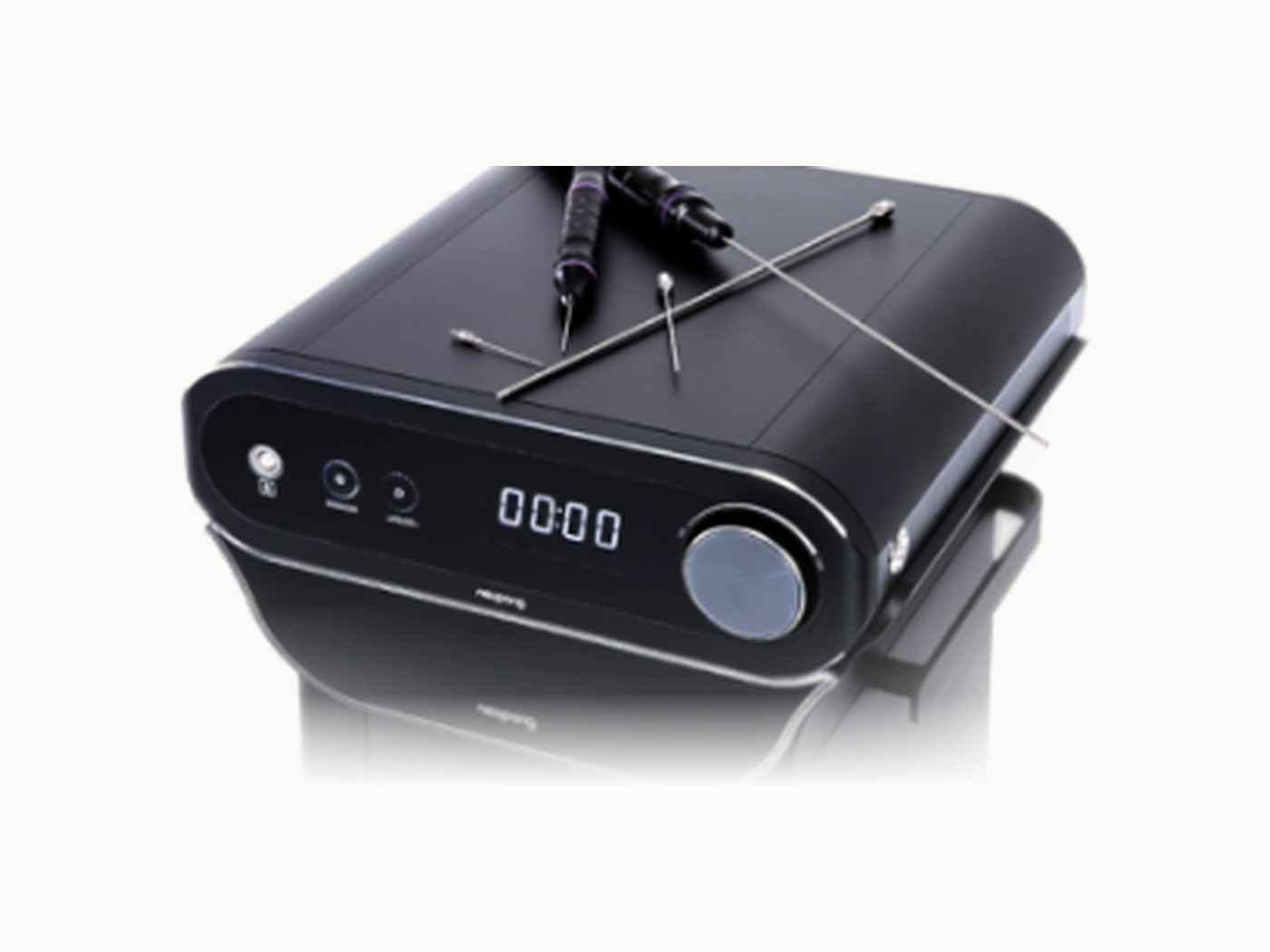 01
01LSSA suction with a 0.9 mm tip — fine-line contouring, not volume removal.
Read more → 02
02Microwave energy that targets fat selectively and leaves the surface alone.
Read more →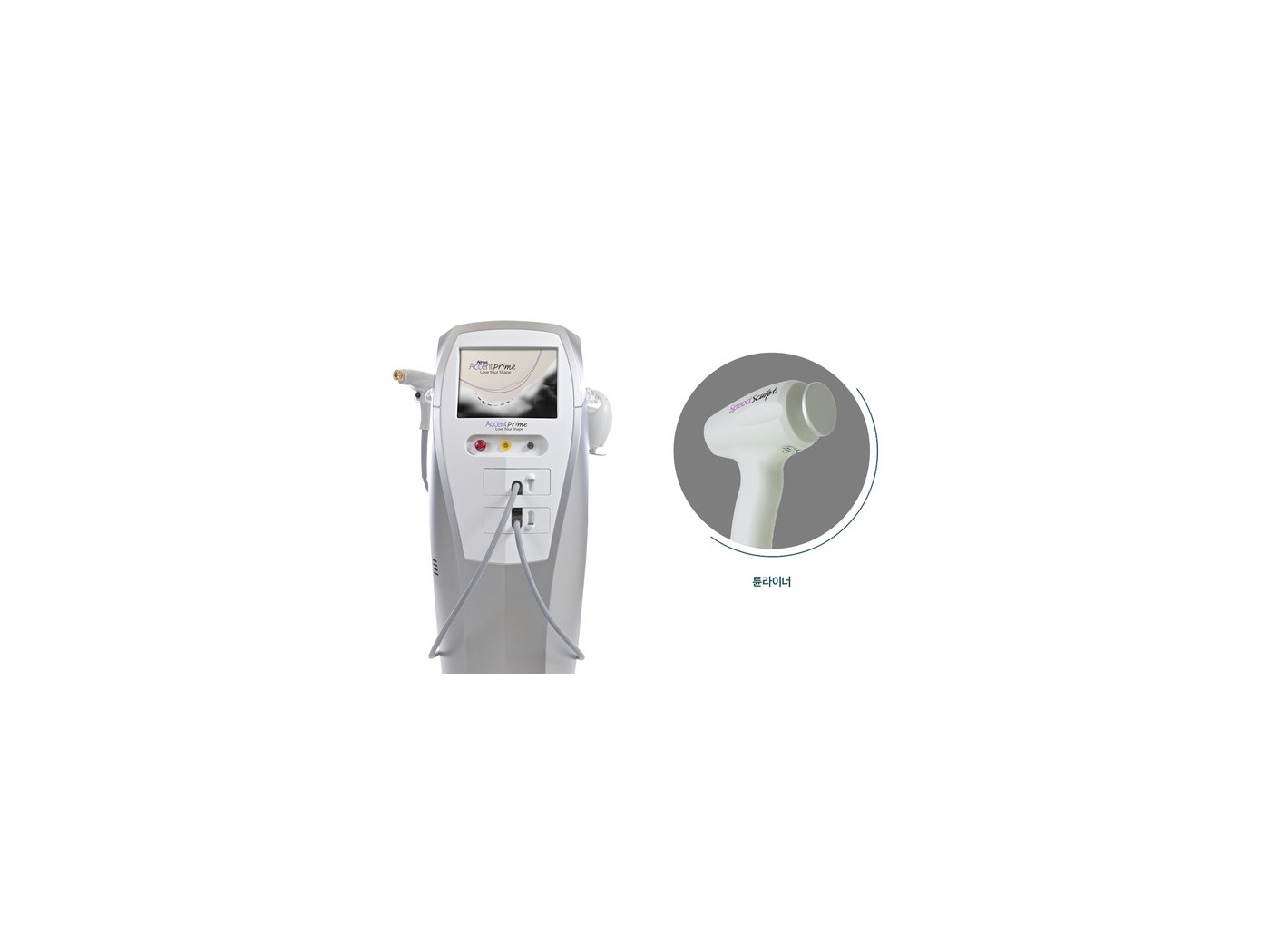 03
03Tune Body and InMode — radiofrequency contouring for abdomen, thighs, arms, flanks and back.
Read more →Every plan here starts with a one-to-one consultation, and nothing is scheduled on the day you first ask unless you want it to be. Message us on WhatsApp with what you want to change and how many days you have in Seoul.