This guide is general information for international patients, published by HOMMAGE Clinic. It describes how treatment in Korea typically works. Our own approach, doctors and prices are on the pages linked below.
South Korea has emerged as one of the world’s leading destinations for body contouring and fat reduction treatments. With cutting-edge technology, highly trained dermatologists, and costs significantly lower than in Western countries, Korea fat reduction procedures attract thousands of international patients every year.
Korea’s aesthetic medicine industry is globally recognized for its innovation and quality. According to the Korean Ministry of Health and Welfare, over 600,000 medical tourists visited South Korea for cosmetic and aesthetic procedures, with body contouring being among the top five requested treatments. Korean dermatologists and plastic surgeons frequently train internationally and adopt the latest FDA-cleared and CE-approved devices before clinics in the United States or Europe.
CoolSculpting remains one of the most requested Korea fat reduction procedures for international patients. It uses controlled cooling to freeze and eliminate stubborn fat cells without surgery or downtime. In Seoul, clinics often use dual applicators to treat multiple areas simultaneously, reducing session time by up to 50%.this Gangnam clinic.
Price Range: ₩150,000–₩400,000 per applicator (approximately $110–$300 USD). Full treatment packages for the abdomen and flanks typically range from ₩800,000 to ₩2,000,000 ($600–$1,500 USD).
High-Intensity Focused Ultrasound (HIFU) technology targets fat layers beneath the skin while simultaneously tightening loose tissue. Korean clinics are among the most experienced users of the Ultraformer III and Ultraformer MPT systems in the world. HIFU is particularly popular for the abdomen, inner thighs, and upper arms.
Price Range: ₩200,000–₩600,000 per area session ($150–$450 USD).
Lipolaser uses laser energy to disrupt fat cell membranes, causing them to release their contents naturally. This is a painless, non-invasive procedure with zero downtime. Multiple sessions are usually recommended for optimal results.
Price Range: ₩100,000–₩250,000 per session ($75–$190 USD).
Radiofrequency treatments such as Thermage and Inmode Evolve heat deep tissue to break down fat cells and stimulate collagen production. These are excellent for patients who want both fat reduction and skin tightening in the same session.
Price Range: ₩300,000–₩800,000 per session ($225–$600 USD).
For patients seeking more dramatic and permanent results, surgical liposuction performed at Korean clinics offers exceptional outcomes. VASER liposuction and power-assisted liposuction (PAL) are popular choices. Korean surgeons are well-known for their precise fat sculpting techniques, particularly for creating defined abdominal contours.
Price Range: ₩2,000,000–₩8,000,000 ($1,500–$6,000 USD) depending on areas treated and clinic prestige.
The majority of non-invasive fat reduction treatments in Korea can be completed within one to three clinic visits. Many international patients combine their treatment with tourism, spending time in Gangnam, Myeongdong, and other popular districts. Clinics near the Apgujeong and Sinnonhyeon areas of Gangnam are particularly well-equipped for medical tourists.
Non-surgical fat reduction procedures typically require no downtime. Patients may experience mild redness, swelling, or tenderness for 24–72 hours. Surgical procedures require a longer recovery of 1–2 weeks. Korean clinics routinely provide post-procedure care kits and online follow-up consultations to support patients who have returned home.
With hundreds of clinics in Seoul alone offering fat reduction services, choosing the right provider is critical. Look for clinics accredited by the Korean Healthcare Accreditation Institute (KOIHA) or those affiliated with JCI (Joint Commission International). Verify that the treating physician holds a board certification in dermatology or plastic surgery. Online platforms like Gangnam Unni and local forums often provide verified patient reviews.
Learn more about your options on our site:
Fat Reduction Korea: The Ultimate Treatment Guide
Yes. Korean aesthetic clinics operate under strict medical regulations. Ensure you choose a clinic with certified medical staff and verified patient reviews. Always attend a consultation before proceeding with any treatment.
It depends on the treatment. CoolSculpting typically shows results after 1–2 sessions over 8–12 weeks. Lipolaser and RF treatments may require 4–6 sessions. HIFU can show improvement after a single session for some patients.
Most major clinics in Seoul’s Gangnam district have English-speaking coordinators or translators. It is advisable to confirm language support when booking your consultation.
Yes. Many clinics in Korea offer combination treatment packages. However, your doctor will advise spacing out certain treatments to allow proper healing and avoid over-treating any single area. For comparison, see
Korea is a year-round destination for medical tourism. Spring (March–May) and autumn (September–November) are particularly pleasant for visiting Seoul. Avoid major Korean holidays such as Chuseok and Lunar New Year when clinics may be closed.
Treatments like cryolipolysis and surgical liposuction permanently destroy fat cells in treated areas. However, remaining fat cells can enlarge if you gain weight. Maintaining a stable weight through diet and exercise is essential for long-lasting results.
For more information about Korean medical services, visit.
At HOMMAGE
 01
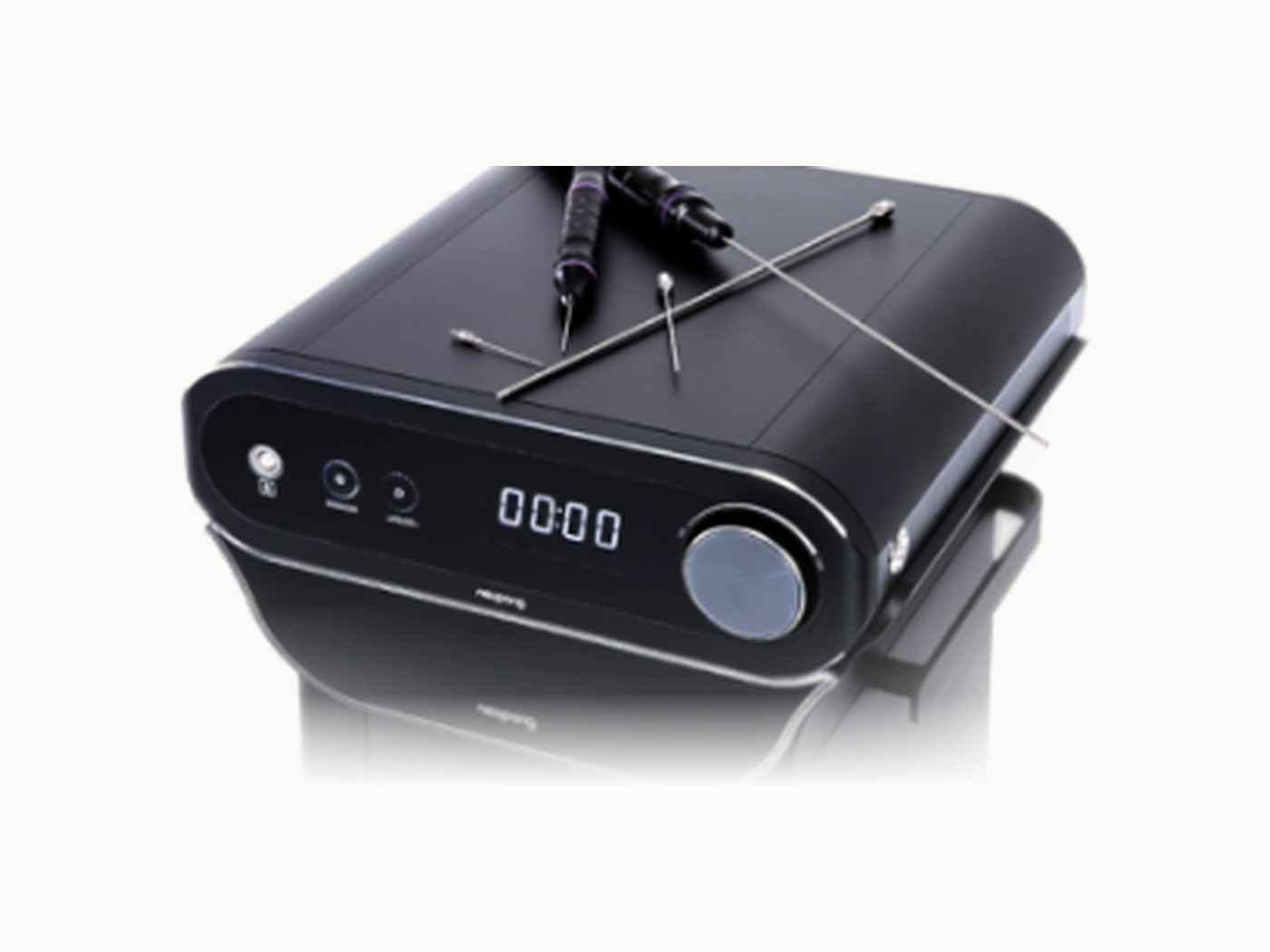
01LSSA suction with a 0.9 mm tip — fine-line contouring, not volume removal.
Read more → 02
02Microwave energy that targets fat selectively and leaves the surface alone.
Read more →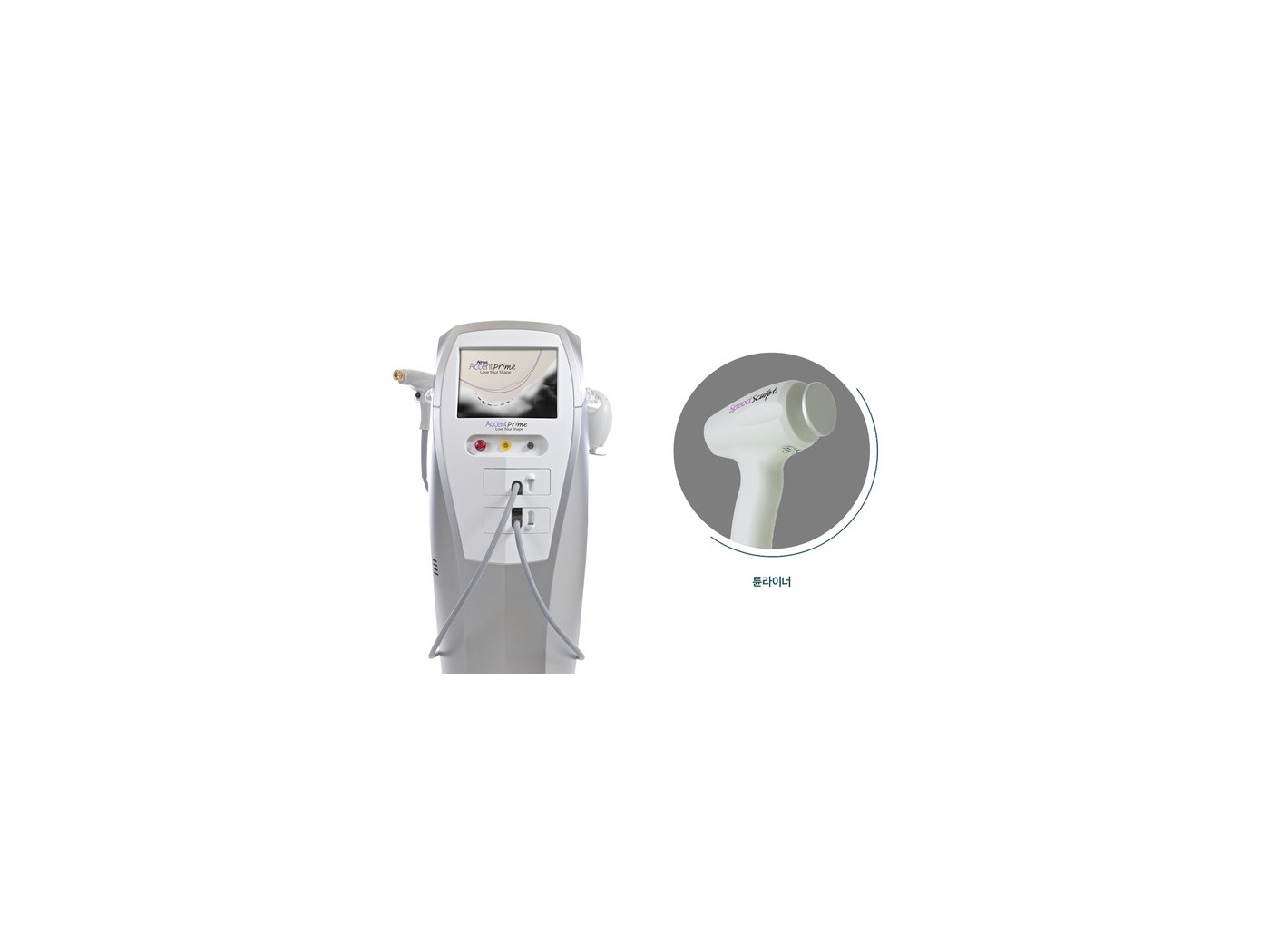 03
03Tune Body and InMode — radiofrequency contouring for abdomen, thighs, arms, flanks and back.
Read more →Every plan here starts with a one-to-one consultation, and nothing is scheduled on the day you first ask unless you want it to be. Message us on WhatsApp with what you want to change and how many days you have in Seoul.