This guide is general information for international patients, published by HOMMAGE Clinic. It describes how treatment in Korea typically works. Our own approach, doctors and prices are on the pages linked below.
When considering non-surgical or minimally invasive fat reduction, two destinations consistently rise to the top of global conversations: South Korea and the United States. Both countries offer world-class medical infrastructure, but the differences in cost, technology access, clinical expertise, and patient experience can be dramatic.
Medical tourism for aesthetic procedures has grown significantly over the past decade. According to the International Society of Aesthetic Plastic Surgery (ISAPS), South Korea ranks among the top five countries globally for aesthetic procedure volume per capita. Meanwhile, the United States leads in total procedure numbers, with over 18 million cosmetic procedures performed annually, according to the American Society of Plastic Surgeons.
For international patients, the question is not simply “which country is better?” — it’s “which country is better for me, given my budget, goals, and travel availability?” Let’s explore the key factors that define the Korea vs USA fat reduction debate.best fat reduction.
Korean aesthetic clinics are globally recognized for offering a wide range of cutting-edge, non-invasive body contouring treatments. Popular options include:. Discover
In the United States, FDA-cleared devices dominate the market. The most commonly offered treatments include:
Both countries offer surgical liposuction as well, but most international medical tourists seeking fat reduction in Korea are interested in non-surgical or minimally invasive alternatives due to shorter recovery times.
This is often the most compelling reason patients choose Korea over the USA. The cost differences can be substantial.
The savings for patients traveling to Korea can range from 50% to 80% compared to equivalent treatments in the USA, even when factoring in travel and accommodation costs. For patients combining multiple areas or multiple sessions into one trip, the value proposition becomes even stronger.
A common misconception is that the USA always has the newest technology. In reality, Korean aesthetic clinics often import or independently develop devices that are ahead of what is widely available in the US market. South Korea’s K-Beauty industry drives constant innovation in both skincare and body contouring devices.
In contrast, the US market relies heavily on FDA-cleared technologies, which ensures rigorous safety standards but can delay patient access to newer innovations by several years.
Korean aesthetic physicians — particularly those practicing in Gangnam, Seoul’s medical district — treat extremely high volumes of patients. This volume leads to refined technique, particularly for combination treatments that address fat, skin laxity, and body contour simultaneously. Many Korean dermatologists and plastic surgeons have completed advanced international training, and clinics often employ multilingual staff specifically to accommodate international patients.
Korea has built a robust infrastructure for international medical tourists. Major clinics in Seoul offer:.
The United States, while offering high-quality care, is not typically structured around medical tourism. Navigating insurance, billing, and scheduling as a foreign patient can be complex and costly without institutional support.
Both countries maintain high standards of medical safety. In Korea, aesthetic clinics are regulated by the Ministry of Health and Welfare, and physicians performing injectable or energy-based treatments must hold relevant medical licenses. The USA’s FDA regulatory framework provides strong device safety oversight.
For international patients, aftercare planning is critical. Korean clinics typically provide detailed post-treatment instructions, and many offer follow-up consultations via video or messaging apps for patients who have returned home. It’s recommended that patients plan their trip to allow for at least 1–3 days of rest depending on the treatment type before traveling home.
If you prioritize lower costs, access to a broader range of treatments, and a dedicated medical tourism experience, Korea offers compelling advantages. If you value proximity, familiarity with US medical regulations, and prefer to avoid international travel, the USA may be the more practical choice.
For those who are already considering a trip to Asia, combining fat reduction treatments with Seoul’s rich cultural experiences makes Korea an exceptionally attractive destination.
Yes. Korean aesthetic clinics that cater to international patients are highly experienced with treating foreign nationals. Clinics in Seoul’s Gangnam district operate under strict medical licensing requirements and often have multilingual staff to guide patients through every step of the process.
Patients can typically save between 50% and 80% on fat reduction treatments in Korea compared to the USA. For example, a single CoolSculpting cycle costs $600–$1,000 in the US, while a comparable cryolipolysis treatment in Korea runs approximately ₩80,000–₩200,000 ($58–$145 USD).
Not always, and that’s not necessarily a drawback. Korean clinics use CE-certified European devices and domestically approved Korean devices, many of which are highly effective and widely used globally. However, patients should research specific devices and consult with their clinic about the technology being used.
For non-surgical fat reduction, most treatments are completed in a single session of 30–90 minutes with minimal downtime. A stay of 3–5 days is generally sufficient for a consultation, treatment, and initial recovery. Patients requiring multiple sessions may benefit from a longer stay or repeat visits.
Yes, and this is one of the most popular approaches for medical tourists. Many Korean clinics offer combination packages that address multiple body areas or use synergistic technologies — for example, cryolipolysis followed by RF tightening — all within a single visit. Package pricing can further reduce per-treatment costs.
Related resources from our network:
At HOMMAGE
 01
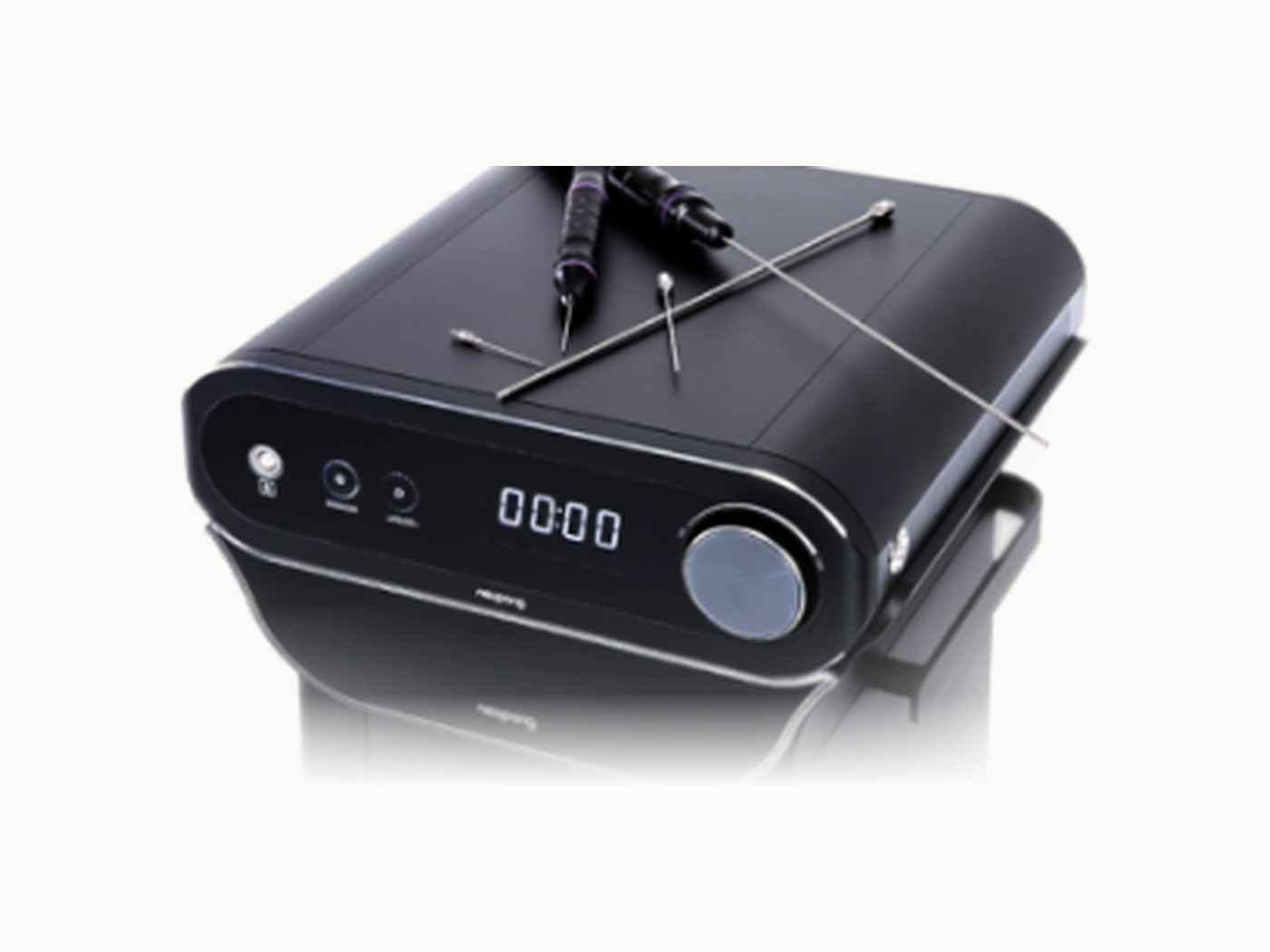
01LSSA suction with a 0.9 mm tip — fine-line contouring, not volume removal.
Read more → 02
02Microwave energy that targets fat selectively and leaves the surface alone.
Read more →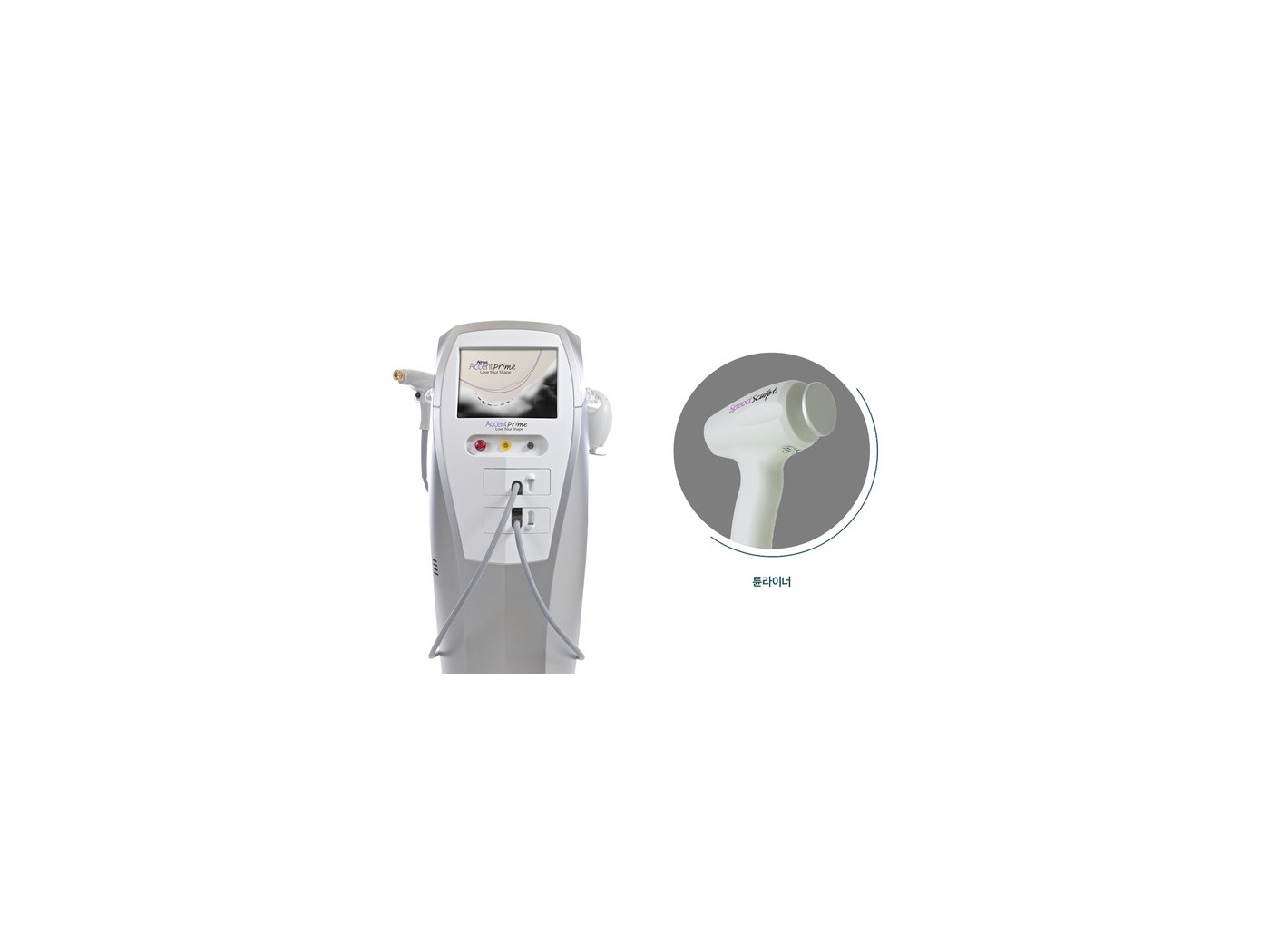 03
03Tune Body and InMode — radiofrequency contouring for abdomen, thighs, arms, flanks and back.
Read more →Every plan here starts with a one-to-one consultation, and nothing is scheduled on the day you first ask unless you want it to be. Message us on WhatsApp with what you want to change and how many days you have in Seoul.